
Discover the honest truth about Hawthorn (Crataegus)—the ancient protector tree prized for centuries as a premier cardiovascular and digestive botanical. Most people meet Hawthorn merely as a "heart herb" and leave it there, but the biological truth is that digestion and circulation are one continuous system. Paired with aged tangerine peel in our Digestapeel formulation, this powerful berry, leaf, and flower complex does more than just maintain robust circulation—it helps assimilate your meals, supports healthy bile flow, and promotes sustained daily energy. This guide strips away the folklore and marketing hype to teach you exactly what Hawthorn is, how it works in the body, and how to properly use it for deep, systemic vitality.

I recorded these audios to directly answer the questions I've received most over the last 26 years. The text below contains the actual transcripts.
Jason J. DukeOwner / Artisan
Reference Directory

Commit to the Practice
Tonic herbalism rewards consistency. The deep, systemic building work happens quietly over a 30 to 90-day cycle of continuous saturation. Supply the raw materials your body needs to properly assimilate nutrients.
Shop the Digestapeel Formulation1. What is Digestapeel?
So, what is Digestapeel, exactly? Most people meet hawthorn as a heart herb, if they meet it at all, and leave it there. Big mistake. Because this bottle is a two-botanical blend built around a bigger idea: digestion and circulation are one system, and this formulation works both ends of it at once.
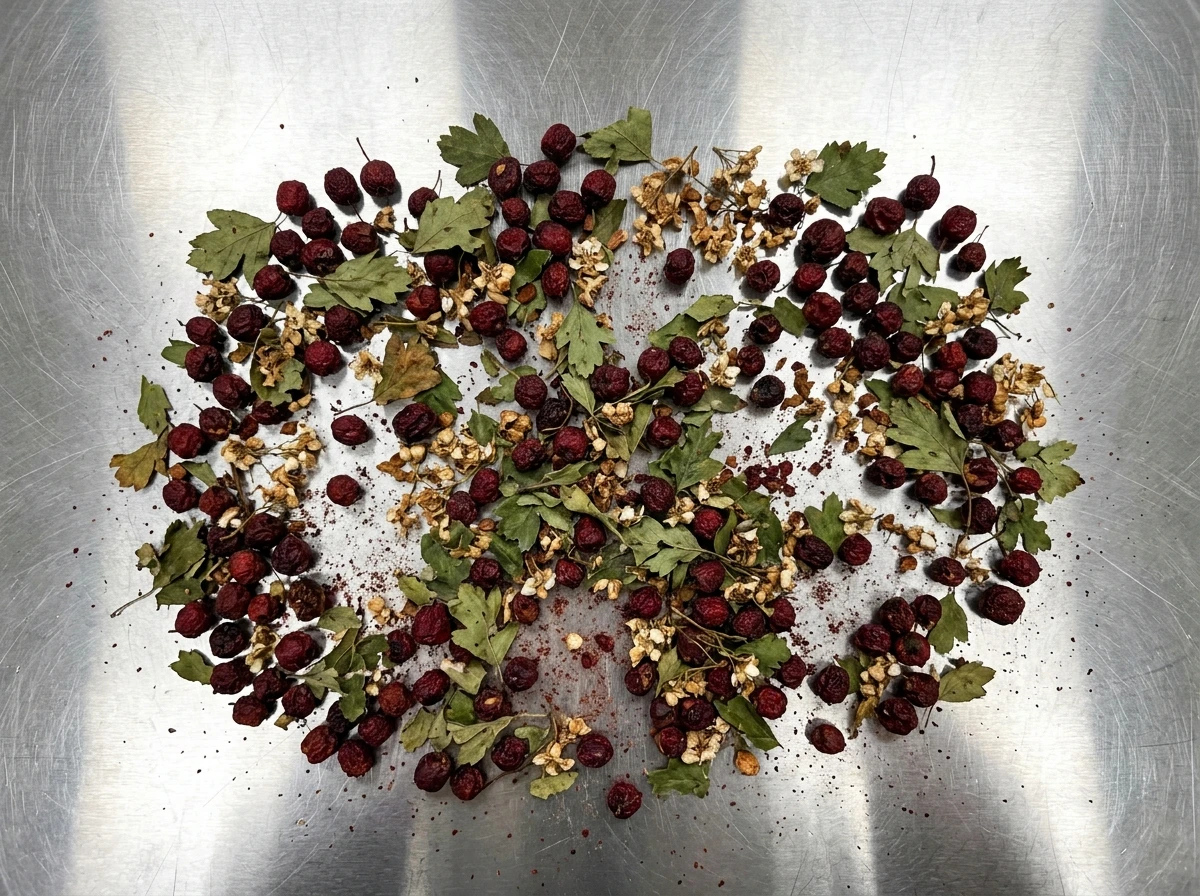
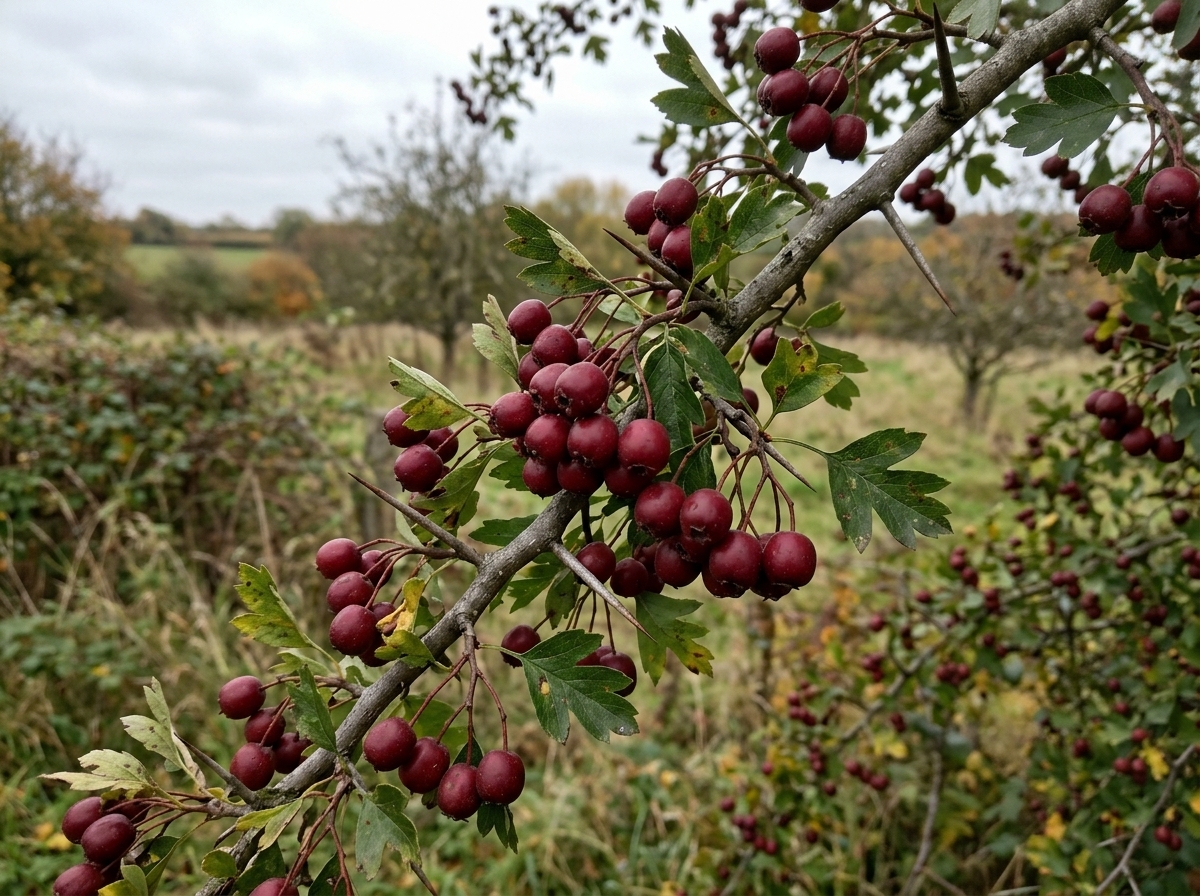
Start with the plant, because the plant is a surprise. Hawthorn is a member of the rose family. Cousin to the apple, the cherry, the plum, the raspberry. And the berry knows it: botanically it's a tiny pome, a mini-apple, which is why it tastes appley going down. You're taking an extract from the tonic branch of the great food family.
And the name carries the tree's character. The botanical name, Crataegus, descends from the Greek word for strength, kratos, and the Greeks named it for the wood. Hawthorn is one of the hardest woods in Europe, the tool-handle wood, the fence-post wood that outlasts generations. A tree named for toughness, giving medicine for the hardworking engine.
Classification before benefits, always. This is an invigorating tonic, warming and output, in the fire class. Plain English: this is the digestion-and-circulation bottle. The one that works with your bile, your gut, your blood vessels, and your heart, all in the same dropper, because a meal that digests well needs a delivery system that moves well.
Now the two hands of the blend, because this is a formulation, not a single herb. Hawthorn berry, leaf, and flower carry the bioflavonoid glycosides and volatile oils, the circulation side: promoting healthy blood flow to and from the tissues, nourishing the cardiovascular system. Aged tangerine peel carries the polymethoxyflavones, the digestion side: maintaining healthy bile production and flow, breaking down food efficiently. Two botanicals, two directions, one road.
And did you know that in China they made the berry's job into street food? Candied hawthorn on a skewer, shiny red on a stick, eaten with the rich meals of Beijing. A whole city's candy built on the berry's digestive reputation. East and West, same tree, same job.
Not a sedative. Not a mystery botanical. The working blend, in a dropper.
The practice is what makes it work. Benefits accumulate over time.
2. Where Does It Come From?
Where does Digestapeel come from? Short answer: organic farms on three continents. Real answer: a tree the whole old world trusted, and a peel the Chinese have been aging like wine for centuries.
The facts first, straight. Forty-five percent hawthorn berry, organically grown in Hungary. Forty percent hawthorn leaf and flower, organically grown in Chile. Fifteen percent sun-dried aged tangerine peel, sourced from China. Structured distilled water and triple filtered USP grade organic alcohol at thirty percent by volume. Nothing else in the bottle but the liquid.
Now, the hawthorn side of the story, told as settled history. The old world kept this tree at the same job for a very long time. The classical Greek herbal recorded it. The Eclectic physicians of nineteenth-century America carried it as a heart tonic. And in the twentieth century, Europe built one of the great herbal research programs around it, concerning heart health. Three traditions, one tree, the same assignment, century after century.
Then the tangerine peel, and here's where it gets genuinely interesting. The Chinese term for this material is chen pi, and it literally translates to aged peel. The name on the materia medica is the instruction: sun-dried, stored, aged. This is not orange zest. It's one of the most famous items in the Chinese pharmacopoeia, and in southern China they trade it like vintage wine and aged tea. The fragrance deepens with the years, and decades-old peel sells by the gram, prized the way a good vintage is prized. The older it gets, the more it's worth.
And but get this: the label says ripe and unripe peel, and that's a deliberate move. The Chinese tradition classes them as two separate herbs. The ripe red peel and the unripe green peel carry different temperaments, entered separately in the books. This formulation takes both, because different stages of maturity offer a broad spectrum of phytonutrients. Both personalities in one bottle.
The kitchens knew, too. Cantonese cooking puts aged peel in the pot with fatty meats, braised duck and beef, the culinary proof of the tradition. When the meal is rich, the peel goes in. The kitchen and the lab agree on this one.
Then the extraction, built to respect the material. Custom crafted, multi-step, micro-batched, cold processed so the volatile oils and fragile constituents hold their integrity in fluid suspension for maximum absorption. The ratio is honest and heavy: one pound of herb to one quart of liquid, about twenty-eight thousand five hundred milligrams extracted into every two-ounce bottle. Nothing hidden, nothing dressed up.
Three farms, one old craft. That's where it comes from.
Taken consistently over time.
3. What Does It Actually Do?
What does Digestapeel actually do in your body? Let me skip the list and give you one picture, because the picture is the mechanism.
A highway, running both directions. Hawthorn works the delivery lanes, the blood vessels carrying nutrients out to the tissues and carrying the traffic back. Aged tangerine peel works the exit lanes, the bile, the liver and kidneys, the cleanup and removal. One road, both directions, and the rule underneath never moves: the botanicals supply the raw materials. Your body does the digesting and the moving.
Start with the digestion, because that's the flagship. The polymethoxyflavones from the aged tangerine peel support the natural elimination pathways by maintaining healthy bile production and flow. And here's the piece of mechanism worth knowing: bile does to fat what dish soap does to grease. It emulsifies, breaking the big fat globs into droplets small enough for your enzymes to work on. No soap, the grease sits. No bile flow, the fats sit. So when the peel maintains bile production and flow, the fatty acids and proteins in your complete meal actually get broken down, and the gut motility and regularity stay comfortable. The meal gets assimilated instead of parked, and the sluggish hour stops being a scheduled event.
Next, the circulation, and this is hawthorn's home ground. The bioflavonoid glycosides and volatile oils promote healthy circulation to and from the tissues, delivering oxygen and nutrients to every cell in the digestive tract, and nourishing the internal environment to maintain heart and cardiovascular health. For the record, your heart beats roughly one hundred thousand times a day, every day, no days off. The tree named for strength, feeding the engine that never clocks out. What that looks like in real life: sustained energy during the day, because nutrients that get delivered are nutrients that get used.
Then the cleanup and the guards. The various antioxidant constituents from both botanicals neutralize free radicals, maintaining cellular health and integrity, and they work with the liver and kidneys, the natural elimination pathways, maintaining tissue cleanliness. The household swept, the deliveries running, the exits open. One dropper, all three crews.
And one thing this blend flat out does not do. It does not create energy out of thin air. It assists your body in efficiently using the food you eat. So the complete balanced meals aren't optional furniture here. They're the entire point.
Deliver, digest, and clear. The highway runs both ways.
Benefits accumulate over time.
4. Who Is It For?
Who is Digestapeel actually for? Let me tell you who buys it, because this blend has a specific crowd, and the page serves five of them. The dining table, the desk, and the night out.
The eater, first, because that's the flagship. Digesting meals often leaves the body feeling sluggish, the gastrointestinal system laboring over the food you added to the diet. The polymethoxyflavones maintain healthy bile production and flow, breaking the food down efficiently, particularly the fats and proteins, and maintaining comfortable gut motility and regularity. The bottle sits on the dining table, right where the work happens, and the food coma stops being a scheduled event.
The office worker. Sitting all day, staring at screens, the afternoon slump arriving like clockwork. The bioflavonoid glycosides promote healthy circulation to and from the tissues, assisting nutrient transport to support energy metabolism through the long shift. The bottle lives right next to the keyboard.
The super nutrition crowd. Tracking food, eating clean, asking the digestive tract to process complex carbohydrates and proteins efficiently. This blend supports the assimilation of key nutrients, so your nutrient-dense foods are actually well absorbed by the body, replenishing energy stores instead of passing through. The bottle stands in the pantry next to the prep containers, making the clean diet count.
The tonic herbalist. Brewing the daily teas, taking the herbs, running a full supplement program. This formulation is the foundational one, promoting the harmonious flow of energy and maintaining the internal environment, working synergistically with everything else on the shelf. The bottle takes its place front row of the apothecary, doing the assimilation work the whole regimen rides on.
And the celebration crowd. Staying out late, socializing, foods and drinks that burden the digestive tract. This blend supports the natural elimination pathways and neutralizes free radicals, assisting the body's natural regenerative processes to maintain tissue cleanliness for the following day. The bottle waits on the kitchen island before you go out. The morning after a big night is a circulation-and-cleanup job, and this is that bottle.
Notice the common thread, because it's the whole thesis. Every one of these buyers is purchasing smooth traffic: the meal that digests, the afternoon that holds its energy, the clean diet that absorbs, the regimen that assimilates, the night out that doesn't wreck the morning. One highway, five drivers.
Now the honest redirect, because with a warming blend it matters. If you run hot, lean, wired, and warm already, this is not your first bottle. The cooling, grounding herbs are the honest answer for that constitution, and plenty of people keep both and take them at different hours. Right blend, right constitution.
Taken consistently over time.
5. How Do You Take It?
Tonic Synergy & Timing: We remind you that with consistent use, benefits accumulate over time.
For rapid mucosal assimilation, we recommend taking this blend on an empty stomach (up to 30 mins before eating), followed by a complete balanced meal (proteins, fats, and carbohydrates) to provide the necessary building blocks for efficient energy use.
This is Digestapeel liquid extract, the digestion-and-circulation blend in a two-ounce bottle with sixty dropper servings.
One dropper is one press of the rubber bulb, which fills the dropper tube to just above half way. That's thirty drops, which is also one milliliter.
To find a functional dose, start with a minimum dose of fifteen drops to one dropper and work up. We suggest fifteen drops to one to three droppers, taken one to three times per day, which is two hundred fifty to three thousand milligrams daily.
Now, the bottle has two jobs, and it's worth knowing both. For immediate impact, hold one to two droppers under the tongue, sublingually, for fifteen to thirty seconds. Longer isn't necessary. For tonic building, to continually saturate your system and build deep, long-term health, take one to two droppers with meals, or up to two to three droppers with your largest meal.
Shake gently. Secure the lid and turn the bottle over back and forth three to five times to evenly distribute the liquid extract. Vigorous shaking oxidizes the volatile constituents and reduces constituent synergy, so don't do that.
By mouth: hold the liquid under the tongue for sixty to ninety seconds before swallowing, or mix the drops into two to four ounces of lukewarm drinking water. Never boiling water. Hot water catabolizes the fragile volatile compounds, and this blend carries a full set of them.
Timing, and for this bottle it's the whole trick. Best taken with meals, fifteen to twenty minutes before or after eating, to aid assimilation and support the digestive process. For rapid mucosal assimilation, take it on an empty stomach, up to thirty minutes before eating, followed by a complete balanced meal to provide the building blocks, the proteins and fats. The order matters with this one: the bile and circulation gear up first, then the meal walks in to find the crew already on shift. Prime, then eat.
Storage is easy: an opened bottle holds about thirty to forty-five days. Unopened, about two years from the batch date. Keep it dark and cool.
If it didn't sit right, try again at a lower dosage and with a complete meal. Warming blends are strong material, and some constitutions start lower. That's not a failure, that's finding your dose.
Some effects are immediate within the first few days. Consistency at a functional dose is what builds the rest.
6. How Long Until You Notice Results?
How long until you notice something from Digestapeel? Most-asked question about any tonic, so here's the straight answer, in three windows. And like any digestion blend, the first window is closer than most.
Some effects are immediate within the first few days, one to three days. That's the felt layer: the easing of tension, the comfortable gut motility and regularity, the meal that doesn't put you to sleep. Digestion gives fast feedback, because you run the experiment three times a day.
Other effects and benefits are building, and become noticeable within one to two weeks. The sustained afternoon energy, because the nutrients are actually being delivered and used. The deeper nourishment of cellular health and cardiovascular health. The deeper work doesn't announce itself. It stacks up underneath, quietly, while you go about your life.
Then the long game. The systemic shifts arrive as you continuously saturate your body over a thirty to ninety day cycle. That's how every tonic works. You're feeding systems that put materials to use on their own schedule. The body doesn't take orders. It takes deliveries.
A good tonic cycle is thirty to ninety days, and this page says it plain: a six bottle protocol unlocks the deepest systemic shifts. That's not a sales line. That's just how tonics work. A tonic is a practice, not an event.
And you gotta take enough to make it work. The more you take, the better it works. Not enough doesn't work. Someone can only take so much of anything at any one time, so enough is the target, and consistency is the vehicle that gets you there.
Nothing is a quick fix. Anyone selling a quick fix in a bottle is selling snake oil. Tonics reward time, not dosage.
And keep the foundation under all of it: complete balanced meals, every time, with your protein and your fat. Skipping meals and eating incomplete meals will lead to ineffective results. The blend rides on food. It doesn't replace it.
Benefits accumulate over time.
7. Safety and Quality
Is Digestapeel safe, and how do you know you're getting a quality bottle? With this blend, those are the same question, and the answer isn't a promise printed on a label. It's the honesty of the formulation, the sourcing, and the craft.
Start with the markers that matter, stated straight. Species named: hawthorn berry, leaf, and flower, organically grown in Hungary and Chile, plus sun-dried aged tangerine peel from China, both ripe and unripe. Percentages named: forty-five, forty, fifteen. Most blends hide behind a proprietary blend line. This one tells you the exact proportions, which is the rare marker in this category. Craft named: custom crafted, multi-step, micro-batched, extracted with structured distilled water and triple filtered USP grade organic alcohol at thirty percent by volume, cold processed so the volatile oils and fragile constituents hold their integrity in fluid suspension for maximum absorption. Rapid, high bioavailability. The ratio is honest and heavy: one pound of herb to one quart of liquid, about twenty-eight thousand five hundred milligrams in every two-ounce bottle. The full extraction and lab methods are published on our standards page, if you want to see exactly how the work gets done.
And your own tongue is the lab. A real extract of these botanicals carries character, bitter and complex, the hawthorn's applean note under the aged citrus. The more you taste the stronger it is. A clear, mild tincture tastes like exactly what it is: mostly nothing.
Now, honest use, plain and simple. These botanicals are food added to the diet, suitable for daily use, and generally this formulation may be taken with other dietary supplements. In fact, that's part of the design: this is the foundational assimilation blend, and it works synergistically with the rest of a supplement program and with your complete balanced meals underneath.
One piece of doctrine to keep the whole thing straight. Herbs are always more effective and more powerful in the long-term for supporting health, whereas drugs are always more effective and more powerful in the short-term for treating diseases, conditions, and any emergencies. Do not use an herb when one should use a drug, and do not use a drug when one should use an herb. Each has its own job, and this bottle's job is the long term.
And the price. You shouldn't pay mystique prices for hawthorn and tangerine peel, because these are farmed crops with real markets behind them, not rare treasures. Pay for the botanicals and the craft, not for the story.
Be the Best and Buy the Best.
It is important to do your own research. Health is the most valuable asset of one's life and the most valuable investment.
8. The Hawthorn Tree
The hawthorn tree. The legends and the fairies. Because a tree this old doesn't gather a thousand years of folklore by accident, and the folklore is worth the telling.
Start with the name, because the name is the fence. Haw is the Old English word for hedge, so hawthorn literally means hedge-thorn. Before barbed wire existed, this tree was the fence of the whole continent, planted in thousands of miles of hedgerows across Britain and Ireland and Europe, living walls that still stand and still mark the boundaries today. The tree built the map.
Now, a quick note here about the thorns themselves, because the thorns are the genius. Songbirds nest inside hawthorn where the long thorns keep the climbing predators out. The tree feeds the birds through winter with its berries. The thorn tree is the safest address in the field: protected, and generous with it. The protector tree, and the medicine comes from the protector.
And then the fairies. In the Irish and Scottish tradition, a solitary hawthorn standing alone in a field is a fairy tree, a meeting place of the good folk. And here's the part that gives you chills: the farmers believed it enough to plow around them. Generation after generation, fields planted in perfect rows with one tree left standing, untouched, in the middle. Roads bent around them. You can still see lone hawthorns in pastures today, unexplained to anyone who doesn't know to notice.
But get this: the folklore is alive enough to move a road. In Ireland, in the nineteen nineties, a road construction plan was rerouted to spare a lone whitethorn bush. A county road, moved for a tree, within living memory. The legend has receipts.
The tree earned its sacred reputation twice over. It blooms in May, so lavishly that the tree itself was called simply May, and May Day is its festival, blossoms over doorways and wound around maypoles. The Mayflower carried the blossom's name across the Atlantic. And one old superstition says never bring the blossom indoors, it's unlucky. The wild part is that the superstition has chemistry under it: the flowers carry a compound that smells different to different noses, and not everyone finds it pleasant. The tradition caught it before the chemists named it. Old people, observant people. Same instinct as traditional medicine.
And the legends didn't stop at fairies. The crown of thorns was said to be hawthorn, and at Glastonbury the Holy Thorn, grown the story goes from a staff planted in the hillside, famously bloomed at Christmas instead of May. One tree, carrying two mythologies at once, both insisting it's sacred.
Last piece, because it closes the loop. The hawthorn is a slow tree. The seeds can take years to sprout, the tree grows patiently, and individuals live for centuries, older than the nations around them. A slow tree, making slow medicine, for the long haul. The tonic doctrine was growing on the tree the whole time.
The protector tree, in a dropper.
Taken consistently over time.
Commit to the Practice
Tonic herbalism rewards consistency. The deep, systemic building work happens quietly over a 30 to 90-day cycle of continuous saturation. Supply the raw materials your body needs to properly assimilate nutrients.
Shop the Digestapeel Formulation