
Discover the honest truth about Cordyceps—the restorative adaptogen prized by athletes and herbalists alike. Whether you are looking to support sustained athletic endurance, maintain clear and open airways, or build deep, systemic vitality, the secret lies in the quality of the organism. This guide strips away the folklore and the gold-rush markup to teach you exactly what log-grown cordyceps is, what it does, and how to properly use it to replenish your deepest reserves.


I recorded these audios to directly answer the questions I've received most over the last 26 years. The text below contains the actual transcripts.
Jason J. DukeOwner / Artisan
Reference Directory
Commit to the Practice
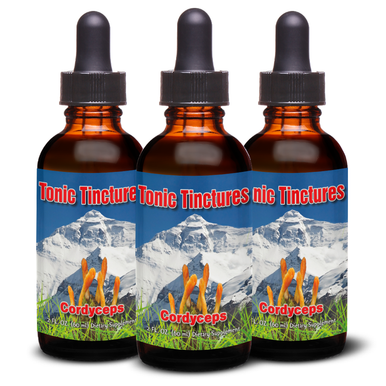
Tonic herbalism rewards consistency. The deep, systemic building work happens quietly over a 30 to 90-day cycle of continuous saturation. Supply the raw materials your body needs with our premium 3-pack.
Shop the 3-Pack Formulation1. What is Cordyceps?
What is Cordyceps, exactly? That's the question worth starting with, because this material has one of the strangest origin stories in the entire herbal world, and once you know it, everything else about it makes sense.
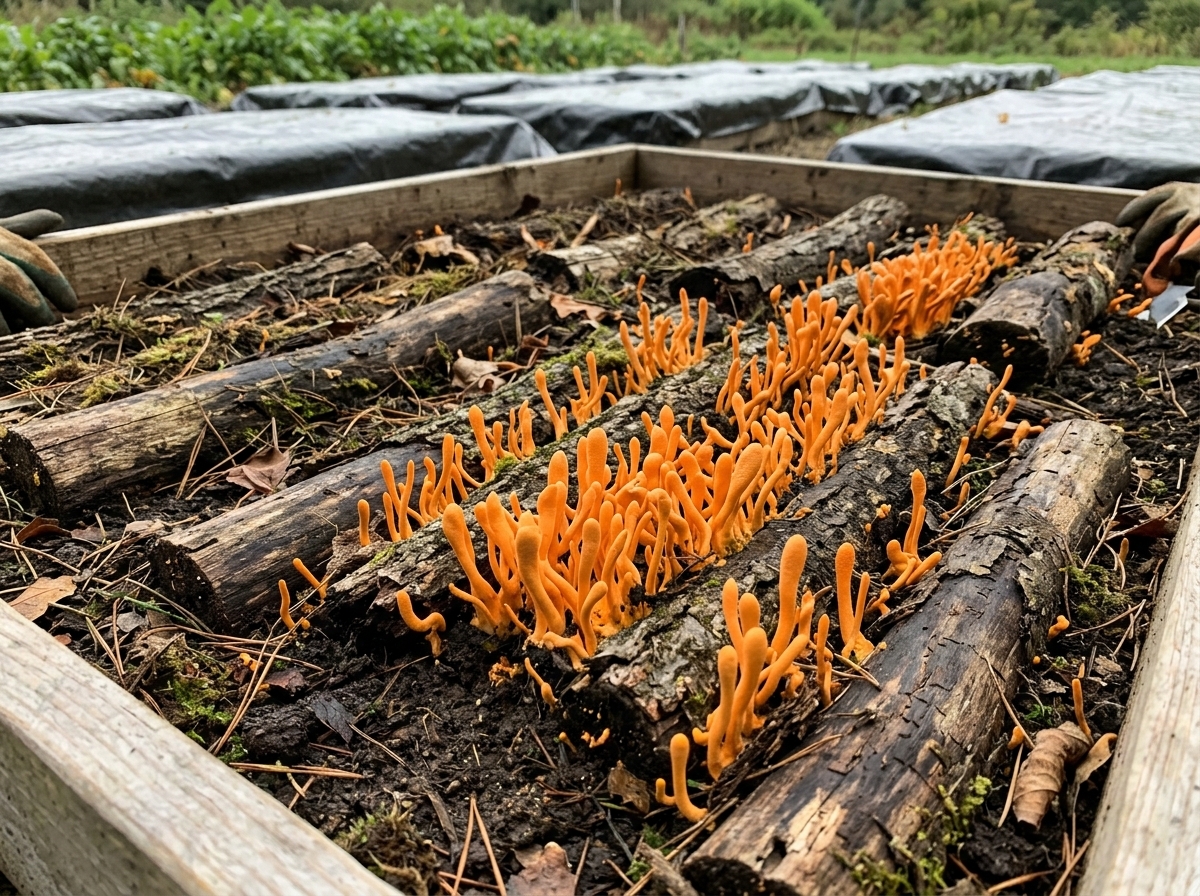
Cordyceps is a fungus, and in the wild it does something no plant does: it infects caterpillars. The Chinese call it dong chong xia cao, which translates to winter worm, summer grass, because that's literally what the old herbalists saw. A caterpillar in winter, taken over by the fungus, and in summer a thin blade of fruiting body rising out of the ground like a grass. They named the material by watching its lifecycle happen. That's the wild version, and it's the reason this fungus carries its reputation.
Now here's the part that gets people. The wild material, the Tibetan yartsa gunbu, is hand-collected on the high plateau, and by weight it has traded higher than gold. It is the most expensive fungal material in the world. And here's the honest answer about that: you don't need it. The cultivated material has been researched extensively and it works, and there is no real benefit to paying wild prices for folklore. We use one hundred percent log-cultivated cordyceps, grown on substrate, outdoor lab-grown, the whole organism, fruiting body, mycelium, and sclerotium. Same constituents, honest sourcing, none of the gold-rush markup.
Classification before benefits, always. Cordyceps is an adaptogen and a restorative tonic, taken consistently over time to support, maintain, and promote health. In the classical books it held a double entry, a lung tonic and a kidney tonic, and we will come back to what that means, because it explains the athletes and the lovers both.
The constituent teaser is this: the nucleosides, specifically cordycepin and adenosine. Those are the names to remember, because they're the ones doing the work on oxygen and energy. We'll walk that mechanism later.
One thing it is not: a stimulant. Not caffeine, not a jolt with a drop-off. This is steady work-capacity material, and your body does the building with it.
The taste is mild and nutty, and the more you taste the stronger it is.
A good tonic cycle is thirty to ninety days.
Taken consistently over time.
2. Where Does It Come From?
So where does Cordyceps come from, and why has it stood the test of time? The answer runs from the high plateau of Tibet to a log in an outdoor cultivation yard, and both halves of that story matter.
In the classical Chinese materia medica, cordyceps earned a rare double entry. It was listed as a lung tonic, the material the old physicians reached for to nourish breath and the airways, and at the same time as a kidney tonic, and in that system the kidney governs the deep essence, the reserve that runs vitality, reproduction, and resistance to exhaustion. Breath on one side, deep stamina on the other, in one material. That's why the athletes and the lovers both ended up with the same fungus.
The wild material grew at altitude, on the Tibetan plateau, where the air is thin and oxygen is scarce, hand-collected as yartsa gunbu and traded by weight above gold. When a material gets that expensive, two things happen. The supply gets strained, and the folklore gets loud. So let me say the honest thing plainly: the cultivated material has been researched extensively, it delivers the constituents, and there is no real benefit to paying wild prices. The wild story is the legend. The log-grown material is the medicine.
Our cordyceps is one hundred percent mushroom, outdoor lab-grown, log-cultivated, the whole organism, fruiting body, mycelium, and sclerotium, because different parts of the fungus carry different constituents. Log cultivation lets the organism build its full range without stripping the high plateau, and it yields the broad spectrum of phytonutrients the wild material is famous for.
Then the craft, and here's the detail that separates a real mushroom extract from a steeped tea. Fungal cell walls are built of chitin, the same tough material as a crab shell, and the nucleosides and polysaccharides are locked behind those walls. So we flash-steam during extraction, cracking the barriers so the constituents suspend in fluid for maximum absorption. Structured distilled water and triple filtered USP grade organic alcohol at forty-five percent by volume, three pounds of material to one quart of liquid, about one hundred forty-four thousand milligrams extracted into every two-ounce bottle. The full specifications are published on our standards page, because craft should be visible.
A strange origin, a classical double entry, and an honest extraction. That's where this comes from.
Taken consistently over time.
3. What Does It Actually Do?
What does Cordyceps actually do in your body? Let me walk it mechanism by mechanism, and I'll start with the one this fungus is famous for, the breath.
The nucleosides, specifically cordycepin and adenosine, work synergistically with the respiratory system. They support the cellular health and integrity of the lung tissues, maintaining clear and open airways and lung capacity, so the gas exchange runs efficiently, oxygen in, carbon dioxide out. Practical translation: the air you breathe gets delivered. And here's the fact that makes the mechanism click: adenosine is literally the backbone of ATP, adenosine triphosphate, the currency your cells spend for every contraction. The mushroom carries the raw parts of the energy economy. That's not a metaphor. That's the chemistry.
Second, energy. Those same nucleosides support energy metabolism and the efficient use of energy, facilitating healthy oxygenation during physical exertion. Oxygen plus fuel plus the parts to spend them, that's steady work capacity, and your body runs its own energy-producing processes instead of running on fumes. No spike, no cliff. A higher floor.
Third, the stress and immune channel. The fungal polysaccharides and sterols fortify against the effects of stress and cultivate a balanced stress response, and those polysaccharides support immune function, promoting the body's natural defense mechanisms, helping it identify foreign material, facilitate containment and removal, and maintain tissue cleanliness. The cleanup crew, fed.
And underneath all of it, the material replenishes nutrient reserves, the stores that exertion depletes and food and tonics refill, supporting recovery and building deep core vitality over time.
Now, a quick note here, because this is food-class material and the doctrine matters. These constituents assimilate best alongside complete balanced meals. The oxygen systems run on the fuel you eat. Protein, fat, and carbohydrates together, and the mushroom works with the meal, not instead of it.
The herb supplies. Your body does the work, at its own pace, steadily.
Benefits accumulate over time.
4. Who Is It For?
Who is Cordyceps actually for? Let me paint the pictures, because this one serves a wide crowd, and you'll likely recognize yourself.
First, the worker. Standing on your feet and working a physical shift taxes systemic balance, and this adaptogen supports physical resilience and energy metabolism to help manage everyday wear and tear. The bottle ends up in the lunch pack, and hour seven stops being a scheduled wall.
Then the athlete, and this is the heart of the material. Keeping up with a consistent training schedule requires the efficient use of energy, and the nucleosides promote healthy oxygenation and physical endurance during exertion. Oxygen delivery is the ceiling on work capacity, and this is delivery being supported. The bottle lives in the training bag, taken before the session.
Then the high-altitude people, the hikers and the adventurers. Adjusting to elevation and catching your breath in thin air strains the respiratory system, and the fungal polysaccharides support clear and open airways while maintaining lung capacity for efficient gas exchange. The bottle rides in the top pocket of the pack.
Then the lovers. Having the energy to connect requires replenished energy stores and core vitality, and this formulation supplies raw materials for hormones to support healthy sex hormones and intimacy. The nightstand drawer, and that was never a men-only drawer.
And the ones getting strength back. Convalescence is a season, not a weekend, and this restorative tonic replenishes nutrient reserves and supports the body's natural regenerative processes to build health back up over time.
Now, who is this not for? I'll tell you plainly. If someone is shopping for a stimulant, a buzzy jolt, this is the wrong shelf. Cordyceps supplies raw materials for steady output. It works with the body, not against it.
The person who wants their breath working, their engine steady, and their reserves full, that's who this is for.
Long term results bring the most satisfaction.
5. How Do You Take It?
Tonic Synergy & Timing: We remind you that with consistent use, benefits accumulate over time.
For rapid mucosal assimilation, hold the drops under your tongue or mix with a small amount of water. Because Cordyceps supports oxygenation and energy metabolism, it is best utilized alongside complete balanced meals (proteins, fats, and carbohydrates) to provide the fuel your oxygen systems require.
This is Cordyceps liquid extract, the log-grown whole-organism tonic in a two-ounce bottle with sixty dropper servings.
One dropper is one press of the rubber bulb, which fills the tube to just above half-way. That's thirty drops, which is also one milliliter.
To find a functional dose, start with a minimum dose of ten drops to one dropper and work up. Our suggested range is ten drops to one to three droppers, taken one to two times per day, which is five hundred to nine thousand five hundred milligrams daily. The more you take, the better it works, and consistency at a functional dose is the key.
Shake gently. Secure the lid and turn the bottle over back-and-forth three to five times to evenly distribute the liquid extract. Vigorous shaking oxidizes the fragile constituents, so gentle is the word.
By mouth, hold the liquid under the tongue for sixty to ninety seconds before swallowing, or mix the drops into two to four ounces of drinking water. Never hot water. Hot liquids damage the fragile constituents and lessen potency.
Concerning timing, this one is best taken with meals and food to aid nutrient absorption. Morning or midday consumption supports energy production, and pre-activity consumption supports physical endurance. So the practical rhythm is a dose with breakfast, a dose before training, and complete balanced meals under all of it, protein, fat, and carbohydrates together, because the oxygen systems run on fuel.
Storage is simple. An opened bottle holds about thirty to forty-five days. Unopened, about two years from the batch date. Keep it dark and cool.
Some effects are immediate within the first few days, one to three days. Other effects are building and are noticeable within one to two weeks.
Bingo, that is the whole practice.
Taken consistently over time.
6. How Long Until You Notice Results?
How long until you notice something with Cordyceps? Let me give you the honest timeline, because tonics keep a different calendar than stimulants.
Some effects are immediate within the first few days, one to three days. The breath and the steadiness tend to arrive first, the sense of a baseline under you, breath that feels like it's doing more.
Other effects are building and are noticeable within one to two weeks. Stamina layers, recovery between sessions, the shifts you feel in retrospect more than in the moment.
And the deep systemic work comes as you continuously saturate the body over a good tonic cycle. A good tonic cycle is thirty to ninety days. You're feeding systems that put materials to work at their own pace. The body doesn't take orders. It takes deliveries.
Nothing is a quick fix. Anyone selling a quick fix in a bottle is selling something else. Tonics reward time, not dosage.
And you gotta take enough to make it work. Not enough doesn't work. Enough is the target, and someone can only take so much of anything at any time, so your body sets the ceiling, and consistency is the vehicle that gets you there.
Keep complete balanced meals under all of it, because the oxygen and energy systems run on fuel. Skipping meals and eating incomplete meals will lead to ineffective results.
Don't stop at the doorstep. The deep work is behind that door.
Benefits accumulate over time.
7. Safety and Quality
Is Cordyceps safe, and how do you know you're getting quality? Both questions deserve straight answers, and with this material they run together.
Start with the species question, because it's the big one in the mushroom world. Our bottle carries one hundred percent cordyceps mushroom, ophiocordyceps sinensis, the classical material, the whole organism, fruiting body, mycelium, and sclerotium, and nothing else. Correct species, whole fungus, no fillers. That's where quality starts.
Then the growing. Outdoor lab-grown, log-cultivated, on substrate, no caterpillars involved. And here's the lowdown on the wild-versus-cultivated question: the wild material trades above gold, and the cultivated material has been researched to work. Paying wild prices buys folklore, not function. Log cultivation also yields the broad spectrum of phytonutrients without stripping the high plateau, so it's the honest material and the honest price.
Then the craft. Fungal cell walls are built of chitin, tough as a crab shell, and the constituents are locked behind them, so we flash-steam during extraction to break those barriers down. Structured distilled water and triple filtered USP grade organic alcohol at forty-five percent by volume, three pounds to one quart, about one hundred forty-four thousand milligrams in every two-ounce bottle. Rapid, high bioavailability, and the full extraction and lab standards are published on our standards page, because a craftsman hides nothing.
The taste is mild and nutty, and the more you taste the stronger it is. Your own tongue is the lab.
Now, the honest register. This is steady work-capacity material, not an aggressive stimulant. It supplies raw materials, and your body uses them at its own pace. Herbs are more effective and more powerful in the long term for supporting health, whereas drugs are more effective and more powerful in the short term for treating conditions and emergencies. Use each for its own work.
Be the Best and Buy the Best. Selecting the right supplement is a personal responsibility, and it is important to do your own research.
Health is the most valuable asset of one's life and the most valuable investment.
8. Breathing and Lungs
Why is Cordyceps known as the breathing herb? Because in classical Chinese herbalism, this was one of the great lung tonics, and the tradition's view of it starts at the top of the system, literally, at the breath.
The old physicians placed cordyceps in the lung category, the material reached for to nourish the airways and the breath. And their word for the lung's job is worth knowing, because they called it the master of qi, the ruler of the breath. Qi, glossed plainly, is the vital energy the body runs on, and the classical physicians understood something the athletes figured out later: every bit of it starts with air. Oxygen in, fuel spent, work done. The breath is the front door of energy, and the tradition stationed one of its best materials right at that door.
Now hear the modern chemistry say the same thing. The nucleosides, cordycepin and adenosine, work synergistically with the respiratory system. They support the cellular health and integrity of the lung tissues, maintain clear and open airways, and maintain lung capacity and function, so the gas exchange runs efficiently, oxygen in, carbon dioxide out. And downstream of that delivery, the same nucleosides support energy metabolism and the efficient use of energy during exertion. The tradition said the lung rules the breath and the breath rules the energy. The laboratory says the nucleosides support the airways and the oxygen delivery feeds the metabolism. Two vocabularies, one observation.
And here's a piece of the story that ties it all together. The wild material grows on the Tibetan plateau, at altitude, where the air is thin and every breath is worth more. A fungus that earned its reputation in thin air, prized by the tradition for the breath. That's not mystique. That's the material's whole biography pointing at one system.
The picture for everyday life is simple. Environmental challenges, smoke, dust, dry air, altitude, strain the airways, and the specific fungal polysaccharides maintain lung capacity for efficient gas exchange. The hiker catching breath in thin air, the adventurer on their feet all day, the worker breathing shared air. The bottle rides in the top pocket of the pack.
The breath is the front door of energy. This is the material stationed at the door.
Taken consistently over time.
9. Athletics
Why do athletes reach for Cordyceps? Let me tell you the story that put this mushroom on the athletic map, because it's one of the best facts in the entire supplement world.
Early nineteen-nineties. The Chinese national women's distance-running team comes out of nowhere and shatters a stack of world records in a single season. Journalists went digging for the explanation, and their coach credited the training program, including a cordyceps-based regimen. Whether that was the whole story or a piece of it, the sports world went looking for the mushroom after that, and it never really stopped. When a material earns a reputation at the highest level of endurance sport, you pay attention to what it does.
Here's the mechanism, told plainly. Endurance is an oxygen problem before it is anything else. Your work capacity runs on oxygen delivery, and the nucleosides, cordycepin and adenosine, work synergistically with the respiratory system to support healthy oxygenation, maintaining clear and open airways and lung capacity for efficient gas exchange. More oxygen delivered, more work done. And adenosine is literally the backbone of ATP, adenosine triphosphate, the currency your cells spend for every contraction. The mushroom carries parts of the energy economy itself. The same nucleosides support energy metabolism and the efficient use of energy during exertion, and they promote physical endurance and adaptation to physical activity.
Practical translation: the engine gets fed at both ends. Air in, energy spent, and the constituents supplying the parts for both.
Then recovery, because training is really two events, the work and the rebuild. This is a restorative tonic, it replenishes nutrient reserves that exertion depletes, and it supports the body's natural regenerative processes. The fungal polysaccharides and sterols fortify against the effects of stress and cultivate a balanced stress response, so the hard training block doesn't grind you down. Steady output plus supported recovery, that's how a training cycle actually builds.
Now the practice, because the material doesn't work alone. Pre-activity consumption supports physical endurance, so take it before the session. And the complete meal is non-negotiable. The oxygen systems run on fuel, protein, fat, and carbohydrates together, and protein every four to six hours because the body can't bank it. The mushroom supplies the constituents. The meals supply the lumber. Skimpy meals mean deliveries at a job site with nobody working.
The bottle lives in the training bag, next to the lifting belt. Work capacity that holds, breath that delivers, recovery that keeps the schedule alive.
Train, eat, sleep, repeat. The mushroom handles the deliveries.
Benefits accumulate over time.
10. Intimacy
Can Cordyceps support intimacy? That's the question behind a fair share of the searches on this material, so let's take it seriously, for men and for women both, and answer it the way I'd answer it on the phone.
Start with the classical view, because it's unusually direct here. The Chinese physicians gave cordyceps a double entry: a lung tonic, and a kidney tonic. And in that system, the kidney governs the deep essence, jing, glossed plainly, the deep reserve that runs vitality, reproduction, and resistance to exhaustion. The material that feeds the deepest reserve was always going to end up in this conversation. In the tradition, this was a whole-household tonic, and the connection reputation was never a men-only thing until modern marketing got hold of it. Connection is a human thing, not a gym thing.
Now the mechanism, told plainly. Intimacy runs on two foundations: energy and healthy glandular function. Cordyceps works on both. The nucleosides replenish energy stores and support the energy metabolism that stamina rides on, and the constituents supply raw materials for hormones, supporting healthy sex hormones, testosterone production in males, estrogen and progesterone balance in females. Same supply line, same factories, same materials.
And here's the teaching that makes sense of it: hormones are built, not summoned. This material does not flip switches. It delivers raw materials to the glands, and the glands build what the body calls for. Did you know that testosterone and estrogen are over ninety-five percent cholesterol by weight? The factories need stock, and the stock comes from the plate.
Which brings the food doctrine in, because this is where people sabotage themselves. Taking a hormone tonic without saturated fat and cholesterol will negate the effects. Eggs with soft yolks, so as not to denature the cholesterol. Salt your eggs for stomach acid to absorb the protein, fat, and cholesterol. You can't run a factory on an empty loading dock.
What do people report over a cycle? The energy to connect, the warmth, the drive that shows up because the system is fed. Not overnight. Over the thirty to ninety day cycle of continuous saturation. Intimacy is a foundation project, and foundations are poured slowly.
That's why this one lives in the nightstand drawer, right next to the water glass. Both halves of the household, same supply line, same bottle.
Taken consistently over time.
Commit to the Practice
Tonic herbalism rewards consistency. The deep, systemic building work happens quietly over a 30 to 90-day cycle of continuous saturation. Supply the raw materials your body needs with our premium 3-pack.
Shop the 3-Pack Formulation