
Discover the honest truth about Panax Red Ginseng—the classical warming adaptogen prized for thousands of years. Whether you are looking to support sustained daily energy, enhance robust circulation, or sharpen your cognitive focus, the secret lies in the maturity of the six-year root. This guide strips away the marketing hype to teach you exactly what red ginseng is, what it does, and how to properly use it for deep, systemic vitality.


I recorded these audios to directly answer the questions I've received most over the last 26 years. The text below contains the actual transcripts.
Jason J. DukeOwner / Artisan
Reference Directory
Commit to the Practice
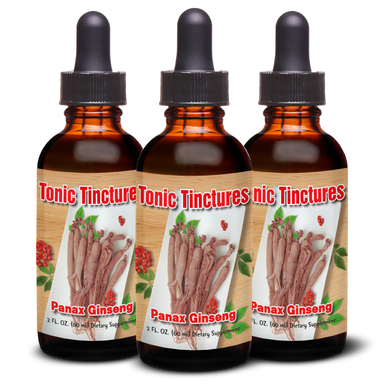
Tonic herbalism rewards consistency. The deep, systemic building work happens quietly over a 30 to 90-day cycle of continuous saturation. Supply the raw materials your body needs with our premium 3-pack.
Shop the 3-Pack Formulation1. What is Red Ginseng?
Red ginseng is not a different plant. That's the surprise most people need first, because the name sounds like a species. Red is made, not grown.
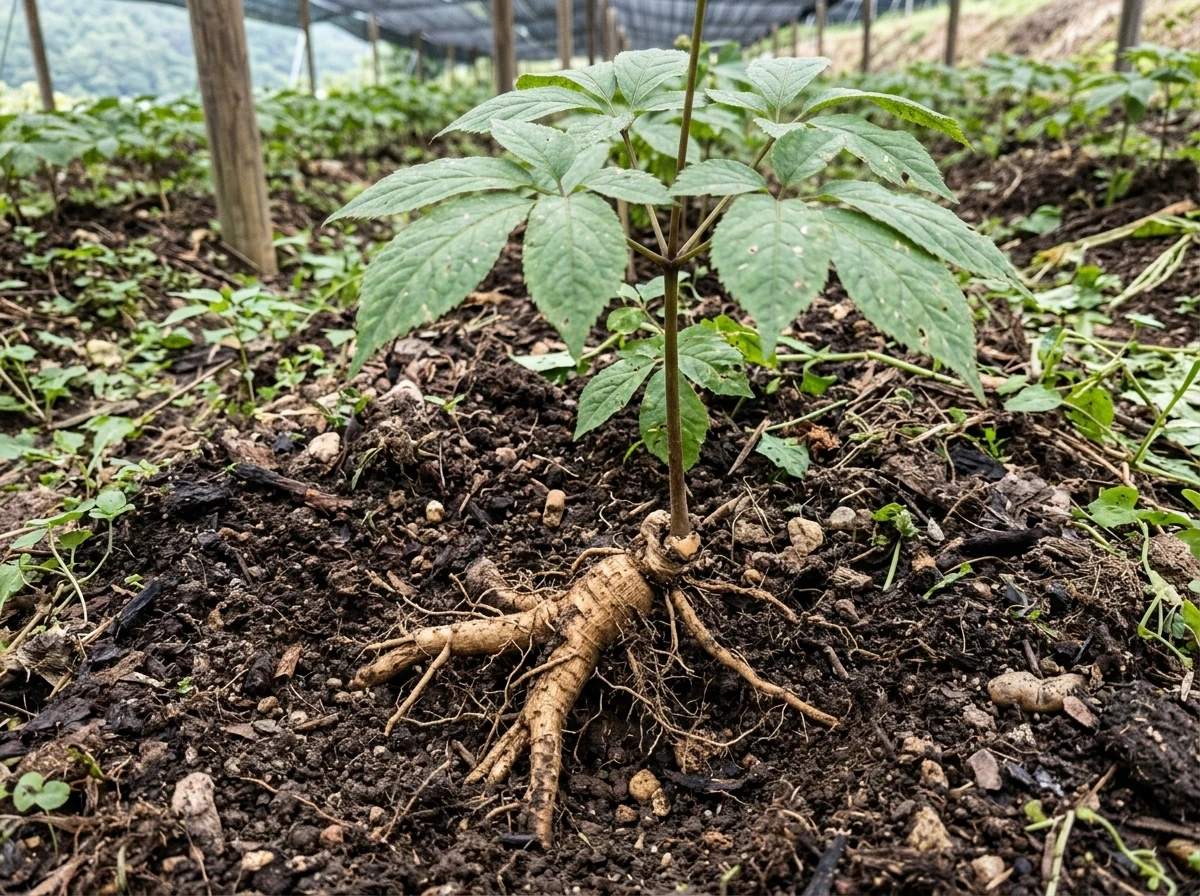
The plant is Panax ginseng, the classical Asian root, and the Chinese call it ren shen, which translates to root with the human body shape, because a mature root forks like arms and legs, a little man standing in the soil. The word panax comes from Greek roots meaning all and heal, a name earned over two thousand years of continuous use. This root carries the widest range of traditional uses of any material in the materia medica.
So where does the red come from? Fire. The root is harvested, then steamed and dried, and the heat transforms the naturally occurring ginsenosides into new, secondary forms. That's the whole difference between red and white. White ginseng is the same root simply air-dried, carrying the original ginsenosides. Red ginseng is the root after the fire has rearranged its constituents, and the red color itself is the visible evidence of that transformation. Same root, different character.
Now, the age, because with this root age is everything. A ginseng root is graded by cultivation age the way wine is graded by vintage. Ours is six-year root, grown the full six seasons to complete maturity, because that's how long the plant takes to build its complete, holistic ginsenoside matrix. A young root is a thin shadow of what it becomes. Most commercial red ginseng never tells you the age. We'll come back to that, because it matters.
Classification before benefits, always. Red ginseng is an adaptogenic herb and a warming circulation tonic, a superior tonic in the classical ranking, taken consistently over time to support, maintain, and promote health.
And one thing it is not: a stimulant. Not caffeine, not a jolt with a drop-off two hours later. The ginsenosides work with your body's own energy metabolism, supporting the systems that make energy rather than impersonating energy itself. Steady, not spiky.
The fire made it red. The six years made it complete. The practice makes it work.
2. Where Does It Come From?
Every bottle of ours starts six years before harvest. Not in the extraction room, not in the field that season. Six years underground, and that's the story worth telling about where this comes from.
The plant spends those years slowly assembling its matrix of ginsenosides, season after season, and the root is graded by age the way wine is graded by vintage. At six years the matrix is complete, the full holistic range, and that's our standard: six-year root, organically grown in China, harvested at full maturity. Most commercial red ginseng never states the age of its root, and there's a reason they don't volunteer it.
Then the fire. The root is steamed and dried, the heat transforms the ginsenosides into their secondary forms, and the root turns red. That traditional processing is what the classics developed, and it's the form prized for warming, invigorating energy for centuries.
The formulation carries one companion, a classical pairing from the kitchen tradition: about ten percent Red Jujube Dates, the fruit the Chinese have combined with ginseng for as long as the two have shared a pot. The dates carry their own polysaccharides and their job is assimilation, helping the digestive tract break down food and take up the nutrients. The root and the dates work together, the way the tradition intended.
And the root itself carries a lineage. It sits in the highest class of the original materia medica, the superior herbs, taken over a long life to support, maintain, and promote health. Top-grade root moved as tribute to emperors, and the grading standards that grew up around that trade still run the discerning Asian markets today.
On our end, the craft is built to honor the material. Custom crafted, multi-step, micro-batched. Structured distilled water and triple filtered USP grade organic alcohol at thirty percent by volume, water pulling one class of constituents and alcohol pulling the other, so the whole living matrix lands in the bottle. The ratio is stated plainly: two pounds of root to one quart of liquid, about fifty-seven thousand milligrams of ginseng in every two-ounce bottle.
And you can taste the care. The more you taste the stronger it is. A real extract is dark and syrupy. If it's see-through, it's thin.
Six years underground, the fire, the pairing, the craft. That's where it comes from.
3. What Does It Actually Do?
What does red ginseng actually do in your body? Let me answer it with a picture instead of a list, because the picture is the mechanism.
Think of your body as a furnace. Not a broken one, not one that needs fixing. Just one that runs better when the fuel supply is steady and the fire is well fed. That's the frame for everything this root does, and it never changes: the root supplies. Your body burns.
Start with the fire itself, energy. The secondary ginsenosides interface with the neuroendocrine system and the adrenal glands, supplying raw materials for hormones that maintain energy metabolism and a balanced stress response. Your body sustains its own cellular energy production instead of running on fumes. Practical translation: steady, vital energy that holds through the day, no cliff in the afternoon.
Then the delivery system, circulation. The ginsenosides maintain the integrity and flexibility of your blood vessels, promoting healthy oxygenation, so oxygen and nutrients reach every cell efficiently. Every system in your body runs on delivery, and this is the delivery being maintained.
Then the fuel supply itself, and this is the mechanism most people never hear about. Ginseng works with glucose metabolism, balancing blood glucose levels throughout the day and mediating carbohydrate absorption. The root helps your body use the carbohydrates you eat, steadying the fuel supply instead of riding spikes and crashes. Notice what that means: the meals aren't optional furniture. They're the fuel. We'll come back to that.
The mind rides on all of it. By nourishing the nervous system, the ginsenosides support healthy communication between nerve cells and promote healthy blood flow to the brain. That shows up as mental acuity, reasoning, and a clear sense of perception, focus that carries you through decision after decision.
And the jujube dates riding along in the formulation do the kitchen's job. Their polysaccharides support the digestive tract and gut motility, promoting nutrient absorption. The root helps the body use the meal. The dates help the body take the meal apart.
One more thread, because it explains the whole category. The word adaptogen was coined by researchers studying this very root, mid-century, in the Soviet programs. Works with the body to support a balanced stress response, helping you adapt rather than pushing you somewhere. The category was invented to describe what ginseng does. It didn't borrow the label. It earned it.
Feed the furnace, keep the deliveries coming, steady the fuel. Your body does the burning.
4. Who Is It For?
Who reaches for this root? I'll tell you who actually calls about it, because it's not the demographic the marketing suggests.
Had a guy call last winter, runs a machine shop, twelve-hour days, said his problem wasn't getting going in the morning, it was the four o'clock wall. That's the most common call I get. The ginsenosides work with the nervous system to support healthy blood flow to the brain and maintain cognitive focus, mental acuity through the afternoon that used to be a slump. The bottle ends up in the lunch pack, and the wall stops being a scheduled event.
Then the athletes, and they want the delivery system. Keeping up with a training schedule and recovering from consistent work requires sustained metabolic output. The ginsenosides maintain cardiovascular health and efficient gas exchange, delivering oxygen and nutrients to every cell, promoting physical endurance. The bottle lives in the training bag, and the work capacity holds.
Then the lovers, and here's something worth noticing: people reach for this root for connection in every culture that has it, and it was never a men-only thing until modern marketing got hold of it. Physical intimacy depends on robust circulation and glandular function, and this root works synergistically with the endocrine system to support healthy hormone balance and maintain the circulation and warmth of the body. The nightstand bottle, for both halves of the household.
Then the sages. Aging well and staying sharp requires ongoing nourishment of the nervous system. The constituents nourish the neuronal membranes and myelin sheaths, supporting higher-level cognitive functions and the brain's natural resilience, year over year.
And anyone running the high-stress day, the chaotic schedule, the people-heavy job. The adaptogenic properties supply raw materials for hormones, supporting a balanced stress response when the day keeps coming. The bottle in the glovebox, and the equanimity holds.
One honest redirect, because telling you which bottle is part of the job. This is a warming, invigorating root. If you run hot, if you lean anxious, if what you want is calming rather than drive, the cooling counterpart is American ginseng, and we craft that one too. Right root, right constitution.
Taken consistently over time.
5. How Do You Take It?
Tonic Synergy & Timing: We remind you that with consistent use, benefits accumulate over time.
For rapid mucosal assimilation, we recommend taking it on an empty stomach (up to 30 mins before eating). Because red ginseng works with glucose metabolism, it must be followed by a complete balanced meal (proteins, fats, and carbohydrates) to provide the fuel your body requires.
This is Panax red ginseng liquid extract, the general-use tonic in a two-ounce bottle with sixty dropper servings.
One dropper is one press of the rubber bulb, which fills the dropper tube to just above half-way. That's thirty drops, which is also one milliliter.
To find a functional dose, start with a minimum dose of ten drops to one dropper and work up. We suggest ten drops to one to three droppers, taken one to three times per day, which is three hundred thirty-three to three thousand milligrams daily. The more you take, the better it works, and consistency at a functional dose is the key.
Shake gently. Secure the lid and turn the bottle over back-and-forth three to five times to evenly distribute the extract. Vigorous shaking oxidizes the fragile compounds, so don't do that.
By mouth: hold the liquid under the tongue for sixty to ninety seconds before swallowing, or mix the drops into two to four ounces of lukewarm drinking water. Never hot water. Hot liquids damage the fragile constituents and lessen potency.
Timing. For rapid assimilation, take it on an empty stomach, up to thirty minutes before eating, followed by a complete balanced meal to provide the building blocks, the proteins and fats. And here's the piece people miss: this root works with glucose metabolism, so the meal isn't optional. It's the fuel the root helps your body use. If you're heading out for physical activity, eat the complete meal first, then take it before you go. Never perform on a truly empty tank.
A quick practical tip, because it surprises people. This is a warming, energizing root, and people tell us the lift can hold for hours. So take it in the morning, or midday at the latest. Bingo. Better mornings, better sleep.
Storage is simple. An opened bottle holds about thirty to forty-five days. Unopened, about two years from the batch date. Keep it dark and cool.
Some effects are immediate within the first few days, one to three days. Other effects are building and are noticeable within one to two weeks. Consistency at a functional dose is what builds the rest.
Benefits accumulate over time.
6. How Long Until You Notice Results?
How long until you notice something from red ginseng? I'm going to answer that with a story I've watched happen a hundred times, because it teaches the timeline better than any chart.
Someone picks up the bottle, takes a real dose for a week, and feels the first layer: energy through the afternoon, focus that holds. That's the immediate window, one to three days, the felt layer most people pick up first. And then, right about week two, they notice the building layer, steadier mood, steadier fuel, the kind of shift you feel in retrospect more than in the moment. That's the one to two week window.
And then they stop. Right there. They felt two layers, decided the bottle had shown them everything it had, and quit, at the doorstep of the third window. The systemic shifts, the deep work, come as you continuously saturate your body over a thirty to ninety day cycle. That's how every tonic works. You're feeding systems that put materials to work at their own pace. The body doesn't take orders. It takes deliveries.
Nothing is a quick fix. Anyone selling a quick fix in a bottle is selling snake oil. Tonics reward time, not dosage.
And you gotta take enough to make it work. The more you take, the better it works. Not enough doesn't work. And someone can only take so much of anything at any time, so enough is the target, and consistency is the vehicle that gets you there.
Keep the foundation under all of it: complete balanced meals, every time. This root works with glucose metabolism and energy metabolism, which means it helps your body use the food you eat. It does not create energy out of thin air. Skip the meals and you're asking the root to build a fire with no wood in the stove.
Don't stop at the doorstep. The deep work is behind that door.
Benefits accumulate over time.
7. Safety and Quality
Is red ginseng safe, and how do you know you're getting a quality bottle? With this root those are the same question, and the answer isn't a promise on a label. It's the age of the root and the honesty of the craft.
Start with the marker that matters most: the age. Ours is six-year root, organically grown in China, stated plainly. A six-year root carries the complete, holistic ginsenoside matrix, the full range the plant spent six years building. And here's the lowdown on why that settles the standardization question. When a root carries the whole matrix, you don't standardize anything. The root already did the work. When you see a label bragging one standardized ginsenoside percentage, that's a company compensating for young root, dressing up one number while the rest of the matrix is missing. Six-year root, whole matrix, nothing to hide.
Then the craft. Every batch is custom crafted, multi-step, and micro-batched, extracted with structured distilled water and triple filtered USP grade organic alcohol at thirty percent by volume. The ratio is honest and heavy: two pounds of root to one quart of liquid, about fifty-seven thousand milligrams extracted into every two-ounce bottle. Rapid, high bioavailability, and the full methods are published on our standards page if you want to see the work.
And the taste tells you it's real. The more you taste the stronger it is. A real extract is dark, syrupy, and strong, the kind you can taste minutes after taking it. Your own tongue is the lab.
Now, honest use. This is a warming, invigorating root, and that's a feature if you work with it. People tell us the lift can hold for hours, so take it in the morning or midday, not before bed. And generally, this formulation may be taken with other dietary supplements. As food added to the diet, it works synergistically with other formulations, alongside complete balanced meals.
One piece of doctrine to keep the whole thing honest. Herbs are always more effective and more powerful in the long-term for supporting health, whereas drugs are always more effective and more powerful in the short-term for treating diseases, conditions, and any emergencies. Do not use an herb when one should use a drug, and do not use a drug when one should use an herb. Each has its own job, and this bottle's job is the long term.
Honest material, honestly aged, honestly made, honestly priced. Pay for the root and the craft, not for mystique.
Be the Best and Buy the Best.
It is important to do your own research. Health is the most valuable asset of one's life and the most valuable investment.
8. Deep Dive: Intimacy
Can red ginseng support intimacy? That's the question behind half the searches on this root, so let's take it seriously, for men and for women both, and answer it the way I'd answer it on the phone.
Start with something worth noticing. People reach for this root for connection in every culture that has it, everywhere in the world, and it was never a men-only thing until modern marketing got hold of it and shrank it down. In Asia this was always a whole-household material. That's not a gym thing. That's a human thing.
Now the mechanism, told plainly. Physical intimacy depends on two foundations: robust circulation and healthy glandular function. Red ginseng works on both. The ginsenosides work synergistically with the endocrine system, supplying raw materials for the body to maintain healthy hormone balance, and they maintain the circulation and warmth of the body, the blood flow that connection runs on. Warmth, blood flow, and hormones. That's the whole picture, and it's the same picture for a woman as for a man.
And here's the teaching that makes sense of it: hormones are built, not summoned. This root does not flip switches. It delivers raw materials to the glands, and the glands are factories that build what the body calls for. Did you know that testosterone and estrogen are over ninety-five percent cholesterol by weight? The factories need stock, and a hormonal material delivers the stock. Testosterone production in males, estrogen and progesterone balance in females, all built from the same raw materials, all supplied the same way.
Which means the food doctrine rides along, and this is where people sabotage themselves. Taking a hormone tonic without saturated fat and cholesterol will negate the effects. Eggs with soft yolks, so as not to denature the cholesterol. Salt your eggs for stomach acid to absorb the protein, vitamins, fat, and cholesterol. Skipping meals and eating incomplete meals will lead to ineffective results. You can't run a factory on an empty loading dock.
What do people actually report, over a cycle? The capacity to connect, the drive that shows up, the warmth and the circulation, energy that holds through the evening. Not overnight. Over the thirty to ninety day cycle of continuous saturation. The foundation builds underneath you, and intimacy is a foundation project.
That's why this one lives on the nightstand. Both halves of the household, same supply line, same bottle.
Taken consistently over time.

9. The Eating Protocol (What to Eat)
What should you eat while taking red ginseng? Let me put the headline first, because most people bury it: this is a root that runs on carbohydrates, and the diet fads spent two decades telling you to fear exactly the thing it needs.
Here's the core of it. Red ginseng works with glucose metabolism, balancing blood glucose levels throughout the day and mediating carbohydrate absorption. The root helps your body use the carbohydrates you eat. It's a partner to your fuel supply, not a replacement for it. It does not create energy out of thin air. It assists your body in efficiently using the food you eat.
Carbs are the body's preferred fuel. If you've been skimming along on almost none, you've handed this root an empty workbench and then blamed the root. So let's give you real numbers. The floor is about one hundred fifty grams of carbohydrates a day while you're taking this tonic. The practical rhythm is thirty-five to fifty grams of carbohydrates with each complete meal, and at least three complete meals a day. Here's why the rhythm matters: if you skip meals, your blood sugar drops too far, and ginseng is not going to work right. There's nothing to balance on an empty tank.
And every meal, complete: protein, fat, and carbohydrate together. The body requires macronutrients, protein, complex carbohydrates, and healthy fats, to recover and rebuild. Protein every four to six hours, because the body can't bank protein the way it banks fat.
Now, a quick note on fat burning, because people ask. Is this a fat burner? No, and anyone selling it as one is selling snake oil. But here's the honest version: the root supports energy metabolism and the efficient use of energy, and a fed, active body burns fat. The bottle supports the fire. The food and the movement make the fire. Work with it that way and it works with you.
And the timing piece, stated plainly. Take it on an empty stomach, up to thirty minutes before eating, for rapid assimilation, followed by a complete balanced meal. Before physical activity, eat the complete meal first, then take it and go perform. Never truly empty for output.
Food and supplements work together. They meet in the middle.
Food heals.
10. The Six-Year Root
Six years. That's the number almost nobody in this market will print, and it's the whole grade of the material. Let me tell you what those six years actually buy.
A ginseng root is graded by cultivation age the way wine is graded by vintage. The plant spends its years underground, slowly building its matrix of ginsenosides, season after season. A young root is a thin shadow of what it becomes. At six years, the matrix is complete: the full, holistic range, the whole constituents profile the plant spent six seasons assembling. Six-year root is the mature grade, the grade the discerning Asian markets have always paid for.
But get this. Most commercial red ginseng is younger root, and the labels rarely say. You'll see impressive packaging, heritage branding, big claims, and nowhere will it state how old the root actually was at harvest. There's a reason they don't volunteer it. Tricky tricky.
And here's where the standardization story ties in, because it explains what you see on those labels. When a young root can't carry the full matrix, the company standardizes: they process for one ginsenoside, print one percentage, and sell that number as the product. One constituent, bragged up, while the rest of the matrix is missing. Now flip it around. When a root carries the complete matrix at harvest, you don't standardize anything. The root already did the work. You don't need to engineer what six years already built.
Ours is six-year root, stated plainly, organically grown in China. Nothing standardized, because nothing needs to be. The age is the potency, and we put it on the table.
And the taste backs it up. The more you taste the stronger it is. A six-year root extracted properly, two pounds to the quart, comes out dark, syrupy, and strong, the kind of extract you can taste minutes later. Age shows.
So when you're shopping this category, ask the question the labels hope you won't: how old is the root? If the answer isnt there, that's an answer too.
Be the Best and Buy the Best.
11. Red vs. White vs. American
Red, white, American. Three bottles on the shelf, and most of the explanations online make it sound like three different plants. It's simpler than that, and more interesting. Let me set them side by side.
Red and white are the same plant. Both are Panax ginseng, the classical Asian root. The difference is fire. White ginseng is the root simply harvested and air-dried, carrying its original ginsenosides in their primary forms. Red ginseng is the same root, steamed and dried, and the heat transforms the ginsenosides into their secondary forms. That transformation is real: the secondary ginsenosides are the class the tradition prizes for invigorating, warming energy, and the red color is the visible mark of the change. Same root, different character.
Now the American, and this is where it gets interesting. Different species of the same plant family, Panax quinquefolius, and the tradition classifies the two as opposites in temperament. Asian red ginseng is warming and invigorating, the drive root, the morning root. American ginseng is cooling and calming, the grounding counterpart. Same family, opposite character. The old framing says it plainly: one is yang, the warming, building, invigorating force, and the other is yin, the cooling, moistening, calming force. Same vocabulary held for centuries, and it still does the job.
So the routing, honestly. If you're after energy, drive, mornings, training, focus, warmth, connection: red. If you run hot, if you lean anxious, if you want calming and grounding rather than output, or something for the evening: American ginseng is the honest redirect, and we craft that one too. Some people keep both and take them for different jobs. That's not indecision. That's knowing the tools.
And a piece of history worth knowing: American ginseng was discovered in North America in the seventeen-hundreds, and a massive trade grew up almost overnight shipping it to China, where the tradition prized it. The two roots have been trading places across the Pacific for two hundred and fifty years.
Right root, right constitution, right job.
12. Ginseng and Coffee
Can I take red ginseng with my coffee? I get that question constantly, and I understand why. Nobody wants to give up their morning cup, and nobody should have to. So here's the honest answer, and then the interesting one.
The short answer is yes, they coexist fine. The coffee does what coffee does, and the ginseng does what ginseng does, and neither one cancels the other. But the interesting answer is what happens when you notice the difference between the two, because most people have never actually felt a non-caffeine energy source before.
Here's the distinction that matters. Caffeine is a stimulant: it forces output, and then it drops you, two hours later, lower than where you started. Anyone who's ridden that cycle all day knows the shape of it. Red ginseng doesn't impersonate energy. It supports the systems that make it. The secondary ginsenosides work with the neuroendocrine system and the adrenal glands, supplying raw materials for hormones that maintain energy metabolism, so your body sustains its own steady production.
So the coffee gives you the spike, and the root supports the baseline. And what people tell me, over and over, is that once the root's layer builds in, over the cycle, the coffee stops being load-bearing. They drink it because they enjoy it, not because they need it to function. Some of them naturally drink less. That's not the root doing anything to the coffee. That's a well-fed system not needing the crutch anymore.
One practical note on rhythm. Caffeine and ginseng both ask something of the adrenals in their own way, so keep it sensible: the coffee in the morning, the root in the morning or midday, not a double stack at nine at night. This is a warming, energizing root, and people tell us the lift can hold for hours, so midday is the honest cutoff.
And remember what runs under both of them: the fuel. The root works with glucose metabolism, so the complete meals, protein, fat, and carbohydrates together, are what the whole stack rides on. Coffee on an empty stomach plus a tonic on an empty stomach is two fires and no wood.
Enjoy the cup. Feed the furnace. The root takes care of the rest over time.
13. Will It Keep Me Up?
Will red ginseng keep me up at night? Straight answer: it can, if you take it at night, and that's not a flaw. That's information about what the root actually does, and it teaches the whole timing question in one move.
Here's the mechanism. This is a warming, invigorating root, and the lift it gives is not caffeine's spike-and-drop. The ginsenosides work with your body's own energy metabolism, supporting the systems that make energy, and people tell us that lift can hold for hours. Steady, not spiky. Which is wonderful at nine in the morning and exactly the wrong thing at nine at night.
Think of it this way. Caffeine is loud and short: it shouts at your system for two hours and then goes quiet. The root is quiet and long: it feeds the furnace for hours without shouting. The first one wakes you up. The second one keeps you running. You want the first one never at bedtime, and the second one never at bedtime either, but for the opposite reason.
So the practical rule: morning, or midday at the latest. Most people take it before breakfast, on the empty stomach up to thirty minutes before the complete meal, and again midday if they're running a two-dose day. Nothing after about two in the afternoon if you're sensitive, and you'll know within the first few days which camp you're in. Some people can take it at four and sleep like a stone. Some people feel it at noon. Your unique constitution and needs decides, and you find your line by starting low and paying attention.
And the flip side is the good news, because the same property that makes it a morning root makes it a morning. People tell me the days start better, the energy is there when they get up, and the evenings wind down naturally because the system wasn't whipped all day. Steady energy, honestly earned, ends honestly. No debt, no crash, no lying awake at midnight with a racing engine.
That's the whole timing doctrine for this root in one piece: it's a morning bottle because it does its job for hours, and a body that ran steady all day sleeps like it worked.
Better mornings, better sleep. That's the trade, and it's a good one.
14. The Gas Station Question
Is this the same ginseng they sell at the gas station? I get that question more than you'd think, and I'm glad people ask it, because it means they've noticed something. The gas-station capsule and a real red ginseng extract are about as similar as a postcard of a mountain and the mountain.
Here's what that shelf capsule usually is. Young root, or root that's never graded at all, dried and ground to powder, standardized to one ginsenoside percentage if it's standardized to anything, in a dose small enough to fit in a capsule. Sometimes it's not even the root: ginseng has a whole family of lookalike cousins, eleuthero and the rest, sold under ginseng's name, and the fine print tells you which family you're actually holding if you read it. Tricky tricky.
And here's what ours is. Six-year root, organically grown in China, the full six seasons to complete maturity, carrying the complete, holistic ginsenoside matrix. Nothing standardized, because a root that carries the whole matrix needs no engineering. Extracted multi-step into structured distilled water and triple filtered USP grade organic alcohol at thirty percent by volume, two pounds of root to one quart of liquid, about fifty-seven thousand milligrams in every two-ounce bottle.
Now, here's the part you can do yourself, standing in any aisle, no lab required. The taste test. The more you taste the stronger it is. A real extract is dark and syrupy, and you can taste it minutes after taking it. A thin, faint liquid is exactly what it tastes like: mostly nothing. Your own tongue is the lab, and it doesn't care about the packaging.
And the age question, which is the one the shelf labels hope you never ask: how old was the root at harvest? Six years is the mature grade, the wine vintage of this world, and almost nobody prints the number. If the label won't tell you the age, the species, the extraction, and the ratio, that's an answer too.
So no, this is not the gas-station stuff. Same word on the bottle, different world inside it. It's important to do your own research, and knowing these questions is most of that research.
Be the Best and Buy the Best.
15. Does It Really Work? (Skeptic Answer)
Does red ginseng actually work, or is it snake oil? Let me answer that the honest way, and let me start with the strongest single fact this root has going for it, because it's one the skeptics never seem to know.
The word adaptogen was coined by researchers studying this very root. Mid-century, Soviet research programs, work on stress and work capacity, and the class of herbs we now call adaptogens was named to describe what ginseng does: works with the body to support a balanced stress response, helping you adapt rather than pushing you somewhere. The entire modern category, the one every wellness brand now borrows for its labels, was invented to describe this root. That's not folklore with good marketing. That's the origin story of the category itself.
And the deeper record sits in Asia. In China and Korea, this material has been researched for decades and used for over two thousand years before that. The knowledge lives there, in another language, and the people who wrote it off over here mostly never opened those books. When you read that the evidence is thin, notice what that's a confession of.
So here's what I actually know, from years of phones and bottles. People who take enough of it, consistently, with food, tell me about steady energy through the afternoon, mental clarity that holds, a mood that stays level, warmth and circulation, drive, and focus. Not overnight. Over a cycle. The first layer inside one to three days, the building layer inside one to two weeks, the deep shifts over thirty to ninety days.
Now, the honest frame cuts both ways, so let me say it plainly. Everything probably works in someway somehow. A very little bit of something probably does some degree of a little bit. A whole bunch of one thing is just that, you can't force it to work. And nothing does nothing, guaranteed.
And the real reason people fail with this root usually isn't the root. It's the dose, or the plate. Not enough doesn't work, and a body skimming on low carbs has handed an energy tonic an empty workbench. Eat the complete meals and take a real dose, and the reports change fast.
The truth needs neither hype nor debunking. A real root, honestly extracted, taken consistently, with food. That works.
Long term results bring the most satisfaction.
16. Does It Raise Testosterone?
Does red ginseng raise testosterone? Let me fix the question before I answer it, because the question as asked is the trap.
Asking does it raise testosterone treats this root like hormone replacement, a switch you flip. Red ginseng is not a switch. It's a supply line. The root supplies raw materials. Your body does the work. That division of labor never changes, and it's the whole answer. But let's walk it properly.
This root works with two hormone systems at once. First, the adrenal side. The secondary ginsenosides interface with the neuroendocrine system and the adrenal glands, the hormones that run your stress response and your energy output. That's why this root shows up as steady energy and staying power under load. Then, the sex hormone side. The same constituents work synergistically with the endocrine system, supplying raw materials for the body to maintain healthy hormone balance: testosterone production in males, estrogen and progesterone balance in females.
And did you know what the factories build with? Testosterone and estrogen are over ninety-five percent cholesterol by weight. Hormones are made from something very specific, and a hormonal material delivers the supply. But the material only becomes hormones if the raw stock is there to build from. Your glands are factories. The root delivers materials to the loading dock. The factories decide what to build and when, and they build what the body calls for, nothing more.
Which brings the food doctrine in, because this is where people sabotage themselves. Taking an adrenal or endocrine hormone tonic without saturated fat and cholesterol will negate the effects. Eggs with soft yolks, so as not to denature the cholesterol. Salt your eggs for stomach acid to absorb the protein, vitamins, fat, and cholesterol. And keep the carbohydrates coming, because this root also works with glucose metabolism, and energy is the downstream of a fed system.
So the honest answer, stated plainly: red ginseng does not raise testosterone, and it doesn't flip any switches, in a man or a woman. It supplies the raw materials your glands use to build hormones, and your body does the building, at its own pace, from the food you eat alongside it. That's also why women take this root without concern: nothing gets forced. The body builds what the body calls for.
What people report over a thirty to ninety day cycle: steady drive, energy that holds, the capacity to connect, warmth. The downstream of a well-fed system, exactly as the mechanism predicts.
Hormones need a constant supply of raw materials.
17. Is It For Women Too?
Is red ginseng for women too? Yes, and I want to answer this one the way I'd answer it if you'd called and asked, because the question deserves a real answer, not a shrug.
The tradition never had this question. In Asia, this was always a whole-household root. Women took it, elders took it, families kept it in the kitchen. It moved as a gift, to elders and to new households, and it still does. The gift sets in the Korean pharmacies, the soup pot on the stove with a root in it, that's the tradition's actual memory of this material, and there's not a men's product anywhere in that picture. The gym-marketing era is a few decades old. The household tradition is two thousand years.
Now, the question under the question, the one women actually ask: will this do something to my hormones? And the answer is no, in the most reassuring way possible. This root does not flip switches. It is a supply line. The constituents supply raw materials for hormones, and the body builds what it calls for: testosterone production in males, estrogen and progesterone balance in females, all from the same cholesterol backbone. Your glands are factories, the root delivers materials to the loading dock, and the factories build what your body asks for. Nothing gets forced. There's no switch to worry about, which is exactly why the question dissolves.
And the deeper answer is that most of what this root does was never gendered in the first place. Energy metabolism, the balanced stress response, blood sugar and glucose metabolism, circulation, cognitive focus: those are human systems, and this root works with all of them. That's the everyday experience most women report: steady energy through the day, focus that holds, mood that stays level when the schedule gets loud.
And yes, connection belongs on the list too, because it's a human thing, not a gym thing. Intimacy runs on circulation and warmth and a well-fed endocrine system, and that supply line is the same one everybody shares. That's the nightstand bottle for both halves of the household.
One honest redirect, the same one I'd give anyone: if you run hot or lean anxious, the cooling counterpart is American ginseng, and that's a constitution question, not a gender question.
Same root, same biology, same supply line. The tradition never even asked.
Taken consistently over time.
18. Troubleshooting Guidelines
Why didn't red ginseng work for you? I can tell you from years of answering this phone: when this root fails, it fails for one of exactly three reasons. Let me count them down, because the order matters, and so does the fix for each.
Reason three: time. Some effects are immediate within the first few days, one to three days. Other effects are building and noticeable within one to two weeks. The deep systemic work happens over a thirty to ninety day cycle. Most people who tell me it didn't work took it for two or three weeks, irregularly, and stopped right at the doorstep. You can feel the first layer in two weeks. The cycle is thirty to ninety days. Those are different windows, and judging the second by the first is the classic mistake. The fix is patience, on a schedule.
Reason two: the fuel. This is the one nobody expects, and it's the biggest. This root works with glucose metabolism, balancing blood glucose through the day. It helps your body use the carbohydrates you eat, which means the carbohydrates have to be eaten. If you've been skimming on low carbs, or skipping meals, or eating incomplete ones, your blood sugar dropped too far and the root had nothing to work with. That's not the root failing. That's deliveries arriving at a job site with no lumber on the truck. The floor is about one hundred fifty grams of carbohydrates a day, thirty-five to fifty grams with each complete meal, at least three meals. The fix is on your plate.
And reason one, the most common of all: not enough. This material is dose-dependent, and the label says it plainly: the more you take, the better it works. If you took ten drops a day for a week, you were running a test, not a tonic. To find a functional dose, start with a minimum dose of ten drops to one dropper and work up. The honest range is ten drops to one to three droppers, one to three times per day, three hundred thirty-three to three thousand milligrams daily, and most people find their dose somewhere in the upper half of that range. The fix is more, at a level your body agrees with, because someone can only take so much of anything at any time. Enough is the target.
There's the countdown. Time, fuel, dose, in reverse order of how often they're the culprit. Check the dose, check the plate, check the calendar, in that order, and almost every failed bottle turns out to be a practice problem, not a root problem.
If it didn't sit right, try again at a lower dosage and with a complete meal.
The failure is almost never the material. It's the practice.
19. Heritage & History Timeline
Where does red ginseng come from, in the long sense? Not the bottle. The lineage. Two thousand years of paper trail, and it runs through four distinct chapters. Let me walk them.
Chapter one: the classics. It begins in the founding materia medica of Chinese herbalism, which ranked all materials by class. The highest class was the superior herbs, the ones taken over a long life to support, maintain, and promote health. Ginseng sat in that elite company from the beginning, and it earned the ranking the way everything in that book earned its place: by what it did, generation after generation. The name itself is a fossil of the tradition: ren shen, the root with the human body shape.
Chapter two: the imperial trade. Top-grade root moved as tribute to emperors, and a whole grading economy organized itself around quality, priced by age and grade, with standards that still run the discerning Asian markets today. When a material is fit for an emperor's household, the market learns to tell the difference between a six-year root and a young one. That knowledge never left. It's the same vintage sense that governs the trade right now.
Chapter three: the scientists. Mid-twentieth century, the Soviet research programs took this root up in earnest, studying work capacity and stress, and here's the punchline of the whole lineage: the word adaptogen was coined from that research, describing this very root. The entire modern category of adaptogens, the one every wellness brand now borrows, was invented to describe what ginseng does. The root didn't join the category. The category was named after the root.
Chapter four: the unbroken thread. In Korea, the tradition never interrupted at all. Red ginseng still moves through Korean pharmacies as a premier tonic, sold in gift sets, given to elders, served in soup pots at home. Two thousand years of continuous use, trade, and grading, and when a culture never stopped paying attention to a material, that's not anecdote. That's the longest-running consumer study in history.
And the West? Arrived late and got it sideways. A capsule on a gas-station shelf, a fat-burner claim, a debunking. A fraction of the picture, from a culture that read none of the books.
That's not mystique. That's a track record.
20. The Culinary Tradition
Is red ginseng a supplement or a food? Here's the answer that changes how you use the whole bottle: it's a culinary tonic, a food-class material you take with meals, and that's not a compromise. That's the entire concept.
Start with how the tradition actually used this root, because the modern picture has it backwards. In Chinese herbalism, the kitchen and the apothecary share one door. The old physicians prescribed at the table as much as the clinic. Ginseng went in the soup pot. Red jujube dates went in the pot alongside it. Tonic foods were served as meals, to the whole household, as ordinary eating with extraordinary material in it. The most famous Ginseng Chicken Soup was and still is a home dish, not a health-store product. That's the tradition's own memory of this root: dinner.
And our formulation carries that memory in its recipe. The Red Jujube Dates riding along in the extract, about ten percent, are the classical pairing from that kitchen tradition, and their job is the kitchen's job: assimilation. The dates carry polysaccharides that support the digestive tract, helping the body break down the meal and take up the nutrients. The root helps the body use the food. The dates help the body take the food apart. Food-class material, working with food, exactly as designed.
Which is why the dosing doctrine isn't a quirk of our label. To supplement means to add to a complete meal. The best time to take supplements is around mealtime, and the tradition worked that out over two thousand years before anyone printed it on a bottle. When you take this root thirty minutes before a complete balanced meal, you're not following a supplement instruction. You're following a culinary one.
Nowadays, the industry turned a food into a pill and forgot the meal, and the results got worse and the root got blamed. A food-class tonic taken without food is a delivery arriving at a kitchen with no stove lit.
So use it like the tradition did. Take it with your meals, complete and balanced, protein, fat, and carbohydrates together. Keep the root at the table, in the kitchen, on the counter with your other good food, and let it do what a culinary tonic does: make your good meals work better.
Food and supplements work together. They meet in the middle.
Food heals.
21. The Ginseng + Antler Velvet Stack
What happens when you take red ginseng with deer antler velvet? That's the question people ask once they've held both bottles, and it deserves a real answer, because the two materials are a natural pair, and the names of the pair are fire and lumber.
Here's the division of labor, told plainly. Red ginseng is the fire: the ginsenosides work with the neuroendocrine system and the adrenal glands, maintaining energy metabolism and a balanced stress response, and they maintain the circulation, the blood vessel flexibility and the oxygen delivery to every cell. It's the drive and the delivery system. Deer antler velvet is the lumber: the naturally occurring growth factors, amino acids, and collagens that supply raw materials for tissue growth, maintenance, and repair. It's the construction stock. One material makes the site run. The other material is what the site builds with.
For training and weight lifting, that's the whole stack in one sentence. Ginseng before the session for the lift, the oxygen delivery, and the work capacity that holds. Velvet with the meal for the building materials, the muscle protein synthesis, the recovery after the work is done. One gets you to the bar and through the set. The other repairs what the session asked for. And because ginseng also works with glucose metabolism, the complete meal underneath both of them is the fuel that makes the pair go.
For intimacy, the same logic, and it's just as clean. Connection runs on circulation and warmth and a well-fed endocrine system. Ginseng maintains the circulation and the warmth and works synergistically with the endocrine system for healthy hormone balance. Velvet supplies the raw materials the glands build hormones from, the same cholesterol-backbone stock for men and women both. The nightstand pair. Two supply lines into the same foundation.
And the frame that keeps it honest: neither one replaces food or training. They ride on both. The stack taken on skimpy meals is two deliveries at a job site with no lumber. Complete balanced meals, the proteins, the fats, the carbohydrates, and the stack has something to work with.
How to run it, practically: ginseng in the morning or before training, on the empty stomach up to thirty minutes before the complete meal, and the velvet with the meal itself. Both over the same cycle, thirty to ninety days of continuous saturation, because that's how tonics build.
Fire and lumber. Drive and materials. One root, one antler, one fed body doing the work.
Taken consistently over time.
Commit to the Practice
Tonic herbalism rewards consistency. The deep, systemic building work happens quietly over a 30 to 90-day cycle of continuous saturation. Supply the raw materials your body needs with our premium 3-pack.
Shop the 3-Pack Formulation