Welcome to the complete guide to health and wellness. This page gathers everything we know about building a strong foundation for your whole self into one place—what health actually means, the difference between healing and disease, the ways to cultivate well-being, and who is ultimately responsible. Every section includes a short audio explanation from our formulator, so you can listen your way through the whole guide if you prefer. The thread running through all of it is simple: health is not a switch you flip, but a degree you cultivate across your body, emotions, mind, and spirit. Start at the beginning or jump to the section you need.

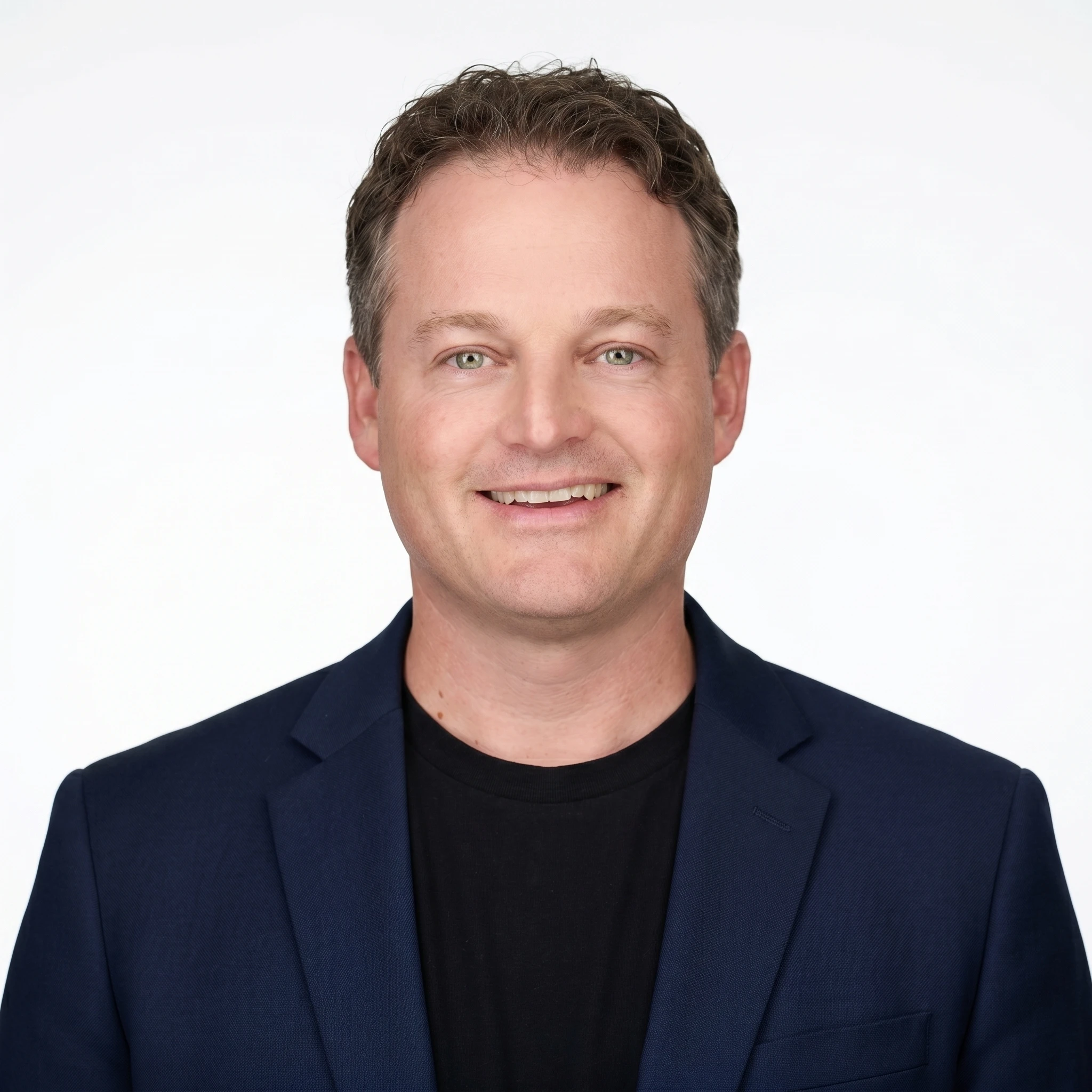
I recorded these audios to directly answer the questions I've received most over the last 26 years. The text below contains the actual transcripts.
Jason J. DukeOwner / Artisan
Part 1: Defining Health
Before any practices can be applied, we must understand the vocabulary. This section untangles the three core concepts: Health as a living degree, Wellness as the active pursuit, and Well-being as the internal view of your own vitality.
What is Health, Exactly?
What is health, exactly? It's a fair question, because the word gets used for everything these days, and most of the time nobody stops to define it.
The word itself carries the answer. Health comes from the Old English hāl, which means whole. One ancient root gives us whole, hale, heal, health, and even holy. To be healthy, by the word's own family tree, is to be whole.
So here is the definition, plain. Health is the degree of maintaining, supporting, and promoting functionality, healing, growth, reproduction, and development within the body, emotions, mind, and spirit.
Notice the word degree. That word is doing real work. A degree is a dial, not a switch. It is not something you either have or lack. It is something you maintain, and support, and promote, day by day, meal by meal, night by night.
Did you know that in nineteen forty-eight, the World Health Organization defined health as a state of complete physical, mental, and social well-being, and famously refused the absence of disease as the standard? That refusal, we agree with completely. Health is not merely the absence of something wrong. But notice their word, and notice ours. They say state of complete. We say degree.
A state of complete is a finish line. You either cross it or you don't, and almost nobody crosses it. A degree is a living scale, something you cultivate upward from wherever you stand today. That is the whole difference, and it is the difference between a doctrine you can live and a definition that just hangs on a wall.
And that definition runs across all four of you. Body, emotions, mind, and spirit. Physical function, feelings, thinking, and the inner life that carries you through it. The old root word knew this already, whole means all the parts, not just the ones a chart can measure.
Health is also related to learning wellness, and to what someone thinks about their own well-being. Those are the companion words, and each one gets its own definition further down this guide. Health is the degree. Wellness is the seeking. Well-being is the view.
For now, hold the one line. Health is the degree of maintaining, supporting, and promoting functionality, healing, growth, reproduction, and development, across the body, emotions, mind, and spirit.
Health is the most valuable asset of one's life and the most valuable investment.
What is Wellness?
What is wellness? Here is the second word of the family, and the definition matters, because wellness gets used more loosely than any word in the whole subject.
Wellness is the activity of personally seeking health, promoting well-being, and the process of learning how the body, emotions, mind, and spirit function, heal, grow, and develop.
Notice the first word. Activity. Wellness is not a possession. It is not a card you carry or a level you unlock. Wellness is something you do.
The definition says the process of learning. That is the seek in seeking. You learn how your body actually works, how your feelings work, how your thinking works, and you learn it by participating, not by reading about it from a distance. Wellness is the gym membership your whole self takes out.
Now, a quick note here on where the modern word comes from. The wellness concept traces to a government vital-statistics chief named Halbert Dunn, lecturing in the nineteen-fifties on what he called high-level wellness. His job was keeping the nation's birth and death records. And his question was simple, and radical for a man who counted the dead all day. Why do we only study how people die? What about studying how the living live?
That question founded the modern wellness movement. And it is the question this entire guide exists to answer.
So what does the activity look like? Four ways. Choose healthy foods and take supplements. Examine areas for personal development. Adopt productive schedules and habits for success. And participate in relationships with oneself, others, and the environment.
Notice again, all verbs. Choosing, examining, adopting, participating.
Wellness is a cumulative, day-to-day process. You do not arrive at it. You accumulate it, the way deposits accumulate. Health is the degree. Wellness is the seeking. Well-being is the view.
What is Well-Being?
What is well-being? Third word of the family, and the one people reach for when they mean something deeper than feeling good.
Someone's well-being is how they view their own quality of health within their body, emotions, mind, and spirit; altogether the pursuit of having greater wellness.
Well-being is the view from inside. Health is the degree, wellness is the seeking, and well-being is how it all reads to the person living it. It includes how someone thinks about the functioning of their body, their feelings about themselves and others and their environment, their capability to think and learn, and the broad nature of spirit within their life.
And well-being can be cultivated. The aspects of developing it are concrete. Increased tolerance of work, and satisfaction from exercise and fitness. Understanding the reasons for your feelings, and healthy emotional expression. The capability to assimilate information, create ideas, and educate yourself in subjects. And progressing spiritually, with greater insight into yourself, your community, and the world.
Now, the money beat, because the source takes it head on, and the word history is better than any argument.
But get this. The words wealth and well-being are siblings. Both come from the Old English wela, which meant well-being. Wealth meant the state of being well, long before the word narrowed to mean money. The two words were born as one idea, and money took over one of them.
And the modern data caught up with the ancient root. In the nineteen seventies, an economist named Richard Easterlin noticed something odd in the numbers. Past a comfortable baseline, rising income stopped translating into rising well-being. The line just flattened. More money, past a point, was not more well.
The source states it plainly. Money itself does not feed the body. The monetary value of a home, a car, and things is not related to how someone feels. Transacting money does not make someone more intelligent or capable. And spiritual progress has never been a bank balance. Personal wealth is not well-being. The essence of someone is not money.
Part 2: The Action of Healing
How does the human body actually regenerate itself? Here we explore the body's inborn capacity to repair and rebuild—and the exact pathways and nine distinct practices you can utilize to supply the raw materials required for that work.
What is Healing?
What is healing? Here is the word everyone assumes they understand, until the moment they are asked to define it.
Healing is the natural inborn regeneration ability, related to the health, growth, and development, of all living organisms, such as plants, animals, and humans, to restore, renew, and regenerate themselves at any time when they have the appropriate means to do so.
Two words in that definition carry the whole weight. Inborn, and means.
Inborn means the repair crew came with the body. Nobody installs it. Nobody licenses it. The body regenerates from one moment to the next, on its own, all your life. And it is not a small operation. The skin renews itself roughly every month, which means the outer wall of your body is replaced about twelve times a year. About two million new red blood cells are made every second, all day, all night, without asking your permission. You are, quite literally, not the person you were last year. You are a rebuilt version of them.
Did you know the Greeks punished Prometheus by having an eagle eat his liver daily, and it regrew nightly? They encoded the biology in the myth. The liver is the one organ that regrows from a portion of itself, and modern surgery confirms what the story already knew. The ancients understood the body repairs itself, and they put it in a legend so nobody would forget it.
Which brings us to the second heavy word. Means. Inborn does not mean automatic. The body regenerates when it has the appropriate means to do so, and the means are external. Food and nutrition, which are a form of healing medicine required by the body, to support, maintain, and promote the regeneration.
So the division of labor is clean. The body does the healing. Your job is the supply line.
Think of it as a garden. The garden grows on its own. The seed, the soil, the life in it, that capacity is inherent and it is always there. What the gardener supplies is sunlight, water, care, and good soil. Challenge and circumstance may require their own attention, separate from the garden's natural processes. But the growing belongs to the garden.
The healing belongs to the body. The means belong to you.
Four Ways to Heal
What are the four ways to heal? The definition said the body regenerates when it has the appropriate means. This section is the means, and there are four doors to walk through.
The source paints the picture first, and it is a good one. Being human is like wearing a physical body as a spacesuit, which requires food and water. Instinctive feelings come from the spacesuit as emotions, for movement. Positive, clear, and intentional thoughts refine the human astronaut's vision and intellect. And subtle, yet powerful, spiritual energies of wisdom, peace, and compassion heal and guide the astronaut through the space-time continuum.
You are the astronaut. The four ways to heal are the four systems of the suit.
The first way is physical, the body. The physical body has various systems, tissues, organs, and glands in constant use, which must be healed to stay youthful and to function optimally. So this way runs on the fundamentals. Food, and water as the medium for biochemistry. Nutrition for energy and nutrients. Exercise for fitness. Physical healing is a supply-line job, and the supply line is meals, water, and movement.
The second way is emotional, the feelings. Emotions are strong, intuitive signals, such as anger, love, sadness, joy, and guilt, felt about oneself, others, and one's environment. Healing here runs on gratitude, sitting still in silence, spending time with animals and people, time in nature, creating and appreciating art, listening to music, singing, and practicing empathy and compassion for oneself and others.
And here is why that is not just poetry. A person's expectation of relief engages real neurochemistry. The mind and body are one system with two names, and the bridge between them does measurable work. The emotional way heals because the feelings are not decoration. They are physiology.
The third way is mental, the thoughts. Everyone is thinking throughout the day and dreaming at night. Mental healing runs on reading books, solving puzzles, model construction, studying logic, learning music, and visualization exercises for clarity and positive outcomes. The mind heals by being used well.
And the fourth way is spiritual, the faith. Spirit is the physically intangible aspect of someone that encompasses the body, emotions, and mind, witnessed in someone's broad vision of their life and its meaning. The practices here are prayer, ceremony, rituals, devotion, meditation, worship, confession, developing compassion, community conversation, and cultivating peace.
Four ways. One astronaut. And no way substitutes for another. A fed body with an unexpressed heart is only a quarter healed, and so is a serene spirit in an unfed body. Human healing happens physically, emotionally, mentally, and spiritually. All four doors, walked together.
Nine Ways to Be Healthy
What are the ways to be healthy? This is where the definition gets hands and feet. Health is a degree, remember, and the ways are how you move the dial.
There are nine of them, and none of them are complicated.
Eat food in complete balanced meals for nutrition. Hydrate with water and liquid nutrients, such as electrolytes. Take dietary supplements for nutrient density. Participate in exercise, sports, fitness, or dance. Sleep for recovery from daily activity and work. Develop accepting social relationships. Express yourself emotionally and creatively. Pursue learning and education. And practice spirituality.
That is the whole list. Food, water, supplements, movement, sleep, relationships, expression, learning, and spirit.
Now, here is the part that should stop you in your tracks. Did you know that roughly two thousand four hundred years ago, the Greek physicians taught the six non-naturals? Air. Food and drink. Motion and rest. Sleep and waking. Eating and excreting. And the passions of the mind.
Read that list next to the nine ways and it maps almost one to one. Air is your environment. Food and drink is the meal and the water. Motion and rest is exercise and sleep. And the passions of the mind are relationships, expression, learning, and spirit. The oldest health doctrine on record and a modern checklist, and they are the same teaching wearing different clothes.
Which tells you something important. The ways to be healthy are not a trend. Nobody discovered them last year. They are the permanent structure of the subject, and every generation rediscovers them, because they are what the body, emotions, mind, and spirit actually run on.
And notice what is not on the list. Nothing you buy once. Nothing done to you while you lie still. Every one of the nine is something you do. The more someone involves themselves with their health and practices the ways to promote health, the better their overall life and happiness.
Part 3: The Broader Scope
Health is not just a personal activity, it is a subject to be learned and a community standard to be upheld. In this section, we examine the importance of health education and how public sanitation sits at the absolute foundation of historical and modern well-being.
What is Health Education?
What is health education? The fifth definition of the family, and the quiet one, the one that makes all the others usable.
Health education is the study of general health information in how to support, maintain, and promote the functioning, healing, growth, and development of the body, emotions, mind, and spirit, through personally seeking wellness as a cumulative process toward greater well-being.
Notice the word study. Education is right there in the name. Health is not a secret handed down or a package delivered. It is a subject, and subjects are learned.
The key areas of study run across the whole fourfold human. Hygiene, which is clean clothing, washed hands, bathing, and removing bodily wastes. Bodily functions, meaning the study of the systems, organs, glands, and tissues, and how they work together. Nutrition, which is eating food, drinking liquids, taking dietary supplements, and using medicinal remedies. Lifestyle, the daily activities, friendships, workplace, sports, and character. Emotions, understanding and communicating feelings, and practicing empathy. Mind, becoming aware of thoughts and developing methods of understanding. And spirit, cultivating the view of one's life in relation to oneself, the environment, the world, and the cosmos.
Now, a quick note on where the word hygiene comes from. Did you know the Greeks personified Health herself as a goddess, Hygieia, her name literally meaning health? Her father ran the great healing sanctuaries for centuries, with baths, gymnasia, gardens, and dream temples. And her name survives, right down to our word hygiene.
And hygiene earned its place at the top of the list the hard way. But get this. In eighteen forty-seven, a physician named Ignaz Semmelweis made his colleagues wash their hands with chlorinated lime, and the mothers on his ward stopped dying. And the profession mocked him for it. He was ridiculed, dismissed, and he died before the world caught up with him. The first lesson of hygiene was once professional heresy.
That is what health education is for. The subject keeps the lessons, so nobody has to learn them the hard way twice. Knowing how the human body works is a day-to-day, lifelong journey.
What is Public Health?
What is public health? Sixth definition, and the one that steps outside your front door.
Public health is the study and practice of sanitation in personal residences, public areas, community facilities, and the environment, including food and water quality.
Read that again and notice the scope. Your kitchen is public health. Your bathroom is public health. The sewage system, the garbage collection, the cleaning of buildings, the integrity of the environment that fosters clean water and clean food, all of it is one discipline. Sanitation maintains cleanliness and protects the health of everyone at once.
It is easy to underrate, because it is invisible when it works. Nobody writes a thank-you note to a water treatment plant. So let me give you the history that earns the respect.
Did you know that in eighteen fifty-four, a London physician named John Snow mapped the deaths in an outbreak on a street map, found them clustered around one water pump, and had the handle removed? He was not working in a laboratory. He was counting addresses. Epidemiology, the detective work of public health, was born at a pump handle.
And the wins since then have been colossal. Simply put, clean water, sewage systems, and garbage collection have added more years of human life than anything ever dispensed at a pharmacy counter. The great public-health victories were not won by miracle molecules. They were won by plumbers and engineers.
That is not a knock on anything else. It is a ranking, and it deserves to be said out loud at least once. The first and greatest health intervention in human history was making the water clean.
So when you wipe down a kitchen counter, you are doing the same work, at your scale, as the people who run the city's pipes. Same discipline. Same principle. Clean surroundings, clean water, clean food, healthy community. Public health is the study and practice of sanitation. And sanitation is the foundation everyone stands on.
Part 4: Practice and Responsibility
The final frontier is drawing clear lines and taking ownership. Here we distinguish the practice of building health from the medical management of disease, explore the five domains of health optimization, and cement who is truly in the driver's seat.
Health vs. Disease
What is the difference between health and disease? This is the boundary line of the whole subject, and getting it straight clears up nearly every confusion in nutrition.
Start with the word itself. Disease descends from the Old French desaise, literally away from ease. Before the word narrowed to the medical diagnosis, it meant plain discomfort. The word for illness was born as a word for missing ease. Hold that, because it frames everything. Health is the presence of function, not merely the absence of unease.
So, health is this. The science of nutrients in food, along with constituents in herbs, spices, and dietary supplements, supports and promotes overall health, wellness, and well-being, and allows the body to heal, grow, develop, and reproduce. Physical health is the degree of functioning of the bodily structures, the systems, organs, glands, tissues, and fluids, like bone, muscle, liver tissue, and blood.
And disease is this. A diagnosed disease or condition, diagnosed by a medical health-care professional, is the cause of non-functionality in any structure of the body. It is a state of sickness or illness of the emotions and mind, or an infection by a virus or bacteria. Diagnosis requires symptoms and test results, and a diagnosed condition requires treatment and management by the medical health-care establishment.
Two different things, two different lanes.
The food lane works by nutritional biochemistry. Food and supplements supply raw materials, and the body does the work, building, repairing, and regulating itself. Medications are a different tool entirely. A medication forces a mechanism, it substitutes for a function the body is not performing. Only medications treat, prevent, manage, and cure diseases and conditions. Food never works that way, and it was never supposed to. Food and supplements are medicine, the building kind, the nourishment medicine, the first lesson of every healing tradition. They are not medications. Two words, two lanes.
And here is the science underneath the food lane. Epigenetics. Epi means above. Epigenetics is the study of what sits above the genes, not the letters of the DNA, but the switches that turn the letters on and off. Nutritional biochemistry activates gene expression, and gene expression determines the functioning of the body.
But get this. Identical twins begin life with the same DNA, the exact same letters. Over a lifetime of different meals, different movement, different sleep, and different stress, their gene expression diverges. Same genes. Different switches flipped. Different health. The genetic hand is dealt at birth. The switches are yours, and the switches respond to how you live.
The source even carries a joke about the boundary. So what is the best way to prevent getting a disease? Do not go get a disease diagnosis from your doctor. Now, that is a joke, and it has a real point inside it. Someone cannot self-diagnose, cannot self-treat, cannot self-manage, and cannot self-medicate. A diagnosis belongs to the medical establishment, with prescribed medications and procedures, and that is the correct lane for all of it. The joke is not anti-doctor. The joke is anti-confusion. It keeps the lanes from blurring.
So keep the doctrine simple. Health is cultivated, through nutrition and the nine ways, by you. Disease is treated and managed, with medications, by the medical establishment. Do not use an herb when one should use a medication, and do not use a medication when one should use an herb.
What is Health Optimization?
What is health optimization? Last definition of the family, and the one that gathers all the others into a daily practice.
Health optimization is about supporting your body's, mind's, and spirit's natural ability to find balance and thrive. It is the active, personalized pursuit of that degree we defined at the very top of this guide. Not the absence of being sick. A dynamic balance, a continuous process where body, mind, and spirit constantly adapt to life's ups and downs.
The source gives it two images, and both are worth keeping. Life is like tides. The point is not avoiding the tides, nobody avoids the tides. The point is adapting to them, aware, receptive, and conscious, so the pressure becomes propulsion. And the body is like a garden. The garden grows on its own, that is its innate capacity. What the gardener supplies is sunlight, water, care, and variety. Nurturing the potential is the whole work.
The work has five areas.
First, nutrition. Complete and balanced meals, prepared the way your own heritage prepared them. Every culture on earth arrived at its own version of the complete meal. Okinawan sweet potatoes, seaweed, and fish. Arctic fish and marine fats. Mexican corn, beans, chilies, squash, and avocado. Soul food's collard greens, black-eyed peas, and cornbread. The examples differ completely, and the structure is identical, protein, fat, and carbohydrate together. Your tradition already solved this. Eat like your grandmother.
Second, movement. Not a punishment, a celebration. The slow sequences of Tai Chi, the rhythms of salsa and folklorico, hiking a trail, swimming, lifting, martial arts, gardening, playing with the kids, shoveling snow. Find your rhythm and keep the conversation with your body going.
Third, sleep. Honoring the rhythms of rest and renewal. Every culture has a bedtime ritual, the Japanese ofuro, the hot bath before sleep, Mexican atole or chamomile in the evening. And here is the mechanism underneath the ritual. During deep sleep, cerebrospinal fluid flushes through the brain and clears away the metabolic waste of the day. The brain runs its cleaning cycle at night, and only at night. Sleep is when the repair crews work.
Fourth, stress. The practice of adapting to the ever-changing tides. Forest bathing in Japan, immersing in nature. Tea ceremonies, mindfulness, deep breathing. The temazcal and the sweat lodge. And the Ubuntu of southern Africa, the understanding that a person is a person through other people. Reframe the challenge as the teacher.
And fifth, beyond the physical. The mind-body-spirit connection itself. Meditation and prayer, gratitude, labyrinth walking, lifelong learning, awe and wonder, meaningful connection. The human is not a collection of parts. Nurture all of it.
The beauty of the whole thing is that it is yours. There is no one-size-fits-anyone. Listen to your own body's wisdom, learn from the traditions, and build the practice that fits your life. Your path to optimal well-being is yours alone to discover.
Who is Responsible for Your Health?
Who is responsible for your health? Last question of the guide, and the one every section before it has been pointing toward.
Each and every person is responsible for their own health and the degree to which they participate with its maintenance and development.
Now, a quick note on the word the medical world uses for a person. Did you know that medicine's own word for someone under its care, patient, comes from the Latin patiens, the one who endures, the one who suffers? That is what the word means. It defines a person by what is being done to them, and by what they are lacking.
Our frame flips it. You are not the patient of your health. You are the participant in it.
Look back down the guide and notice the pattern. Health is a degree, and the degree moves with participation. The nine ways are all things you do. The four ways to heal are all practices you keep. Wellness is an activity. Well-being is a view you cultivate. Health optimization is five areas of daily participation. Even the definitions conspire to hand you the wheel.
Nobody can do it for you. And nobody can take it from you.
That is not a burden. That is the good news of the entire subject, because it means the variable sits in your hands. The genetic hand is dealt. The switches answer to how you live. The degree is yours to move.
Health is the most valuable asset of one's life and the most valuable investment. It is important to do your own research.
Frequently Asked Questions
A quick reference guide covering everything from the building blocks of wellness to understanding the boundaries between health and disease.
What is the difference between health, wellness, and well-being?
Health is the degree to which your body, emotions, mind, and spirit function, heal, and grow. Wellness is the activity of personally seeking that health. Well-being is how you view your own quality of health and the results of that pursuit from the inside.
What are the nine ways to be healthy?
1. Eat balanced meals. 2. Hydrate. 3. Take dietary supplements. 4. Participate in exercise. 5. Sleep for recovery. 6. Develop social relationships. 7. Express yourself emotionally. 8. Pursue learning. 9. Practice spirituality.
What is the difference between health and disease?
Health is the active presence of biological function, supported by food, nutrition, and daily practice. Disease is a diagnosed condition causing non-functionality, which must be treated, managed, or cured by the medical establishment using prescribed medications.
Who is responsible for my health?
You are. You are not a passive patient, but an active participant. Because your lifestyle, meals, movement, and stress responses direct your epigenetic expression, your health is ultimately your own responsibility to maintain and develop.