
Discover the honest truth about Lemon Balm—the classical cooling, calming, and grounding nervine prized for thousands of years. Whether you are looking to balance your stress response, support smooth digestion, or ease into restorative sleep, the secret lies in the volatile terpenes of the Melissa officinalis leaf. This guide strips away the marketing hype to teach you exactly what lemon balm is, what it does, and how to properly use it for deep, systemic recovery and calm.

I recorded these audios to directly answer the questions I've received most over the last 26 years. The text below contains the actual transcripts.
Jason J. DukeOwner / Artisan
Reference Directory
Commit to the Practice
Tonic herbalism rewards consistency. The deep, systemic building work happens quietly over a 30 to 90-day cycle of continuous saturation. Supply the raw materials your body needs with our premium formulation.
Shop the Formulation1. What is Lemon Balm?
So, what is lemon balm, exactly? Most people meet it, if they meet it at all, as the lemony note in a sleepy-time tea blend, and they leave it there. Big mistake. Because behind that tea bag is a two-thousand-year pharmacy herb, a mint that smells like lemon, and one of the most beloved plants in the whole garden tradition.
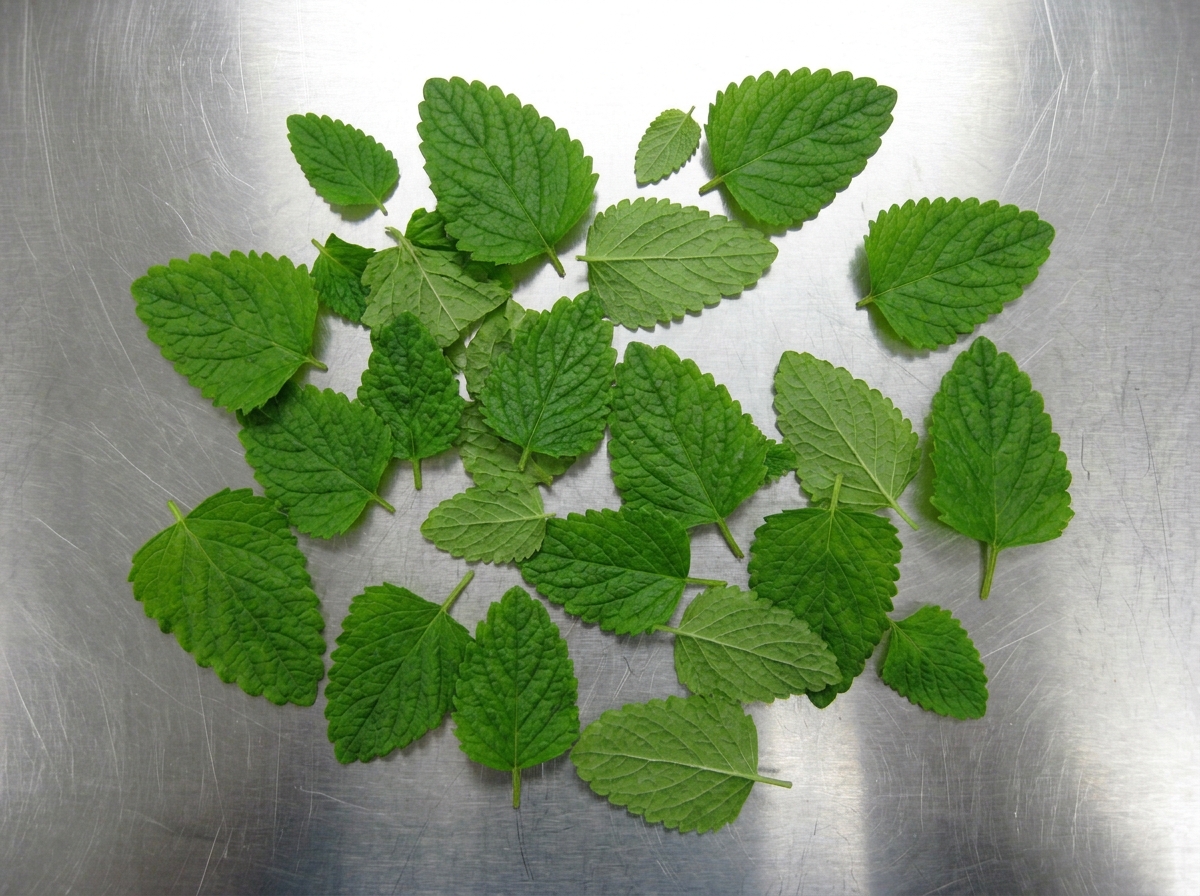
Start with the scent, because the scent is the introduction. Crush a fresh leaf and you get pure lemon, bright and unmistakable. But here's the part worth knowing: that fragrance is not a perfume added from somewhere else. It's the plant's own chemistry worn on the outside. The volatile terpenes, citral and citronellal, are the same molecules behind lemon and lemongrass, and this quiet garden mint carries them like a signature.
And the name carries a story that earns its own piece in this series. Melissa officinalis. Melissa is the Greek word for honey bee, because the bees adore this plant, and the old beekeepers planted it beside the hives on purpose. And officinalis is the medieval apothecary's word, the designation for official pharmacy stock. A plant named for bees and shelved by pharmacists. That's the resume in two words.
Classification before benefits, always. Lemon balm is a nervine herb and a grounding, cooling and calming tonic. Plain English: this is the settle-down bottle. The one that works with your nervous system to ease tension, balance the stress response, and move the whole system toward rest. Its partner herbs light the lamp. This one banks the fire for the night.
Now the two hands of the leaf, because this herb works two directions at once. The volatile terpenes carry the calming side, working with the nervous system to ease tension and cultivate relaxed alertness, so the body can transition into restorative sleep. The polyphenols and broad spectrum of phytonutrients carry the digestive side, supporting the enzymes that break food down and the efficient use of energy. The system settles, and the meal digests. One leaf, both jobs.
And the honest contrast, because classification comes with it. This is not the wake-up shelf. This bottle will not energize you, and it isn't trying to. It's the other half of the tonic shelf, the half that settles things down. It's also not some rare rainforest botanical with a mystery premium on it. This is the garden staple, the cottage herb herbalists have kept for centuries because it's generous, pleasant, and it works. The basic herb, in the best sense of the word.
And one more thing worth knowing up front: this is the good-tasting bottle. Sweetened, lemony, genuinely easy-to-take, by design. That story lands in the how-to piece.
The calming, working leaf. The practice is what makes it work.
Benefits accumulate over time.
2. Where Does It Come From?
Where does lemon balm come from? Short answer: an organic farm in the United States. Real answer: a garden herb with a two-thousand-year resume, kept by physicians, friars, and every cottage gardener in between.
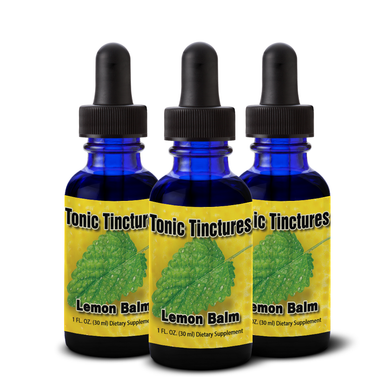
The facts first, straight. One hundred percent lemon balm leaf, Melissa officinalis, organic, grown in the United States. Structured distilled water and triple filtered USP grade organic alcohol at twenty-five percent by volume, and a touch of natural sweetness that makes this the pleasant-tasting bottle of the line. Nothing else in there but the liquid.
Now, the heritage, told as settled history, because this leaf has one of the oldest paper trails in European herbalism. The Greek physician Dioscorides recorded it in the first century. The monastery gardens carried it through medieval Europe, and every physic garden worth the name kept a bed of it. And in seventeenth-century Paris, the Carmelite friars distilled their famous lemon balm water and sold it for centuries. It became one of the most famous household remedies on the continent, and here's the kicker: it is still made today. Same plant, still on shelves, three centuries and counting.
And the praise went higher still. Paracelsus, the most famous physician of the sixteenth century, praised melissa in the highest register the old world had, calling it an elixir of life. Told strictly as history: that's how the old doctors talked about this plant. A resume like that doesn't need a marketing department.
The kitchens knew, too. Fresh leaves tossed in salads, floated in cups, steeped as the household evening tea across half of Europe. When the kitchens of a continent treat an herb as food, that's the deepest compliment a tonic can earn. And it's the clue to the big thing about this leaf: it works the digestion.
Then the extraction, built to respect a delicate material. Lemon balm carries its fragrance in famously small amounts, which is why pure melissa oil is one of the most precious oils among distillers, priced like a rarity even though the plant grows like a garden weed. So the craft is all gentleness: custom crafted, multi-step, micro-batched, with structured distilled water and triple filtered USP grade organic alcohol at a gentle twenty-five percent, matched to the leaf. The ratio is stated plain: one part herb to nine parts liquid, the delicate-leaf extraction. Vigorous handling oxidizes the volatile constituents, so there is none of that. The fragrance rides into the bottle intact.
Good leaf, honestly grown, gently pulled. That's where it comes from.
Taken consistently over time.
3. What Does It Actually Do?
What does lemon balm actually do in your body? Let me skip the list and give you one picture, because the picture is the mechanism.
A house at dusk. The day's fire burning down to embers, the rooms still warm, the household settling, the lamps low. Not a cold house, and not a dark one. A finished one. The work is done, the kitchen is quietly working the last meal, and the whole place eases toward the night. That's lemon balm in one image. And the rule underneath never moves: the leaf supplies the raw materials. Your body does the settling, the digesting, and the sleeping.
Start with the calm, because that's the flagship. The volatile terpenes, citral and citronellal, work synergistically with the neuroendocrine system and the nervous system. During periods of everyday stress, these naturally occurring substances supply raw materials to support a balanced stress response, the easing of tension, and the harmonious flow of energy. What that looks like in real life: the shoulders that drop an inch, the mind that stops rehearsing the day, the transition into restorative sleep that arrives on its own. And note the register, because it matters: this is not sedation. It's relaxed alertness. Calm and clear at once, not foggy.
Next, the digestion, and this is the surprise half of the leaf. The broad spectrum of phytonutrients and polyphenols work within the digestive tract to support the production and activity of your digestive enzymes, and they maintain healthy bile production and flow. And here's the piece of mechanism worth knowing: bile does to fat what dish soap does to grease. It emulsifies, breaking the big fat globs into droplets small enough for your enzymes to work on. So the complete balanced meal actually gets broken down and assimilated, gut motility and regularity stay comfortable, and the energy from the meal gets used instead of parked. The afternoon food coma stops being a scheduled event. The calming herb turns out to be a digestive herb, which is exactly why the old kitchens treated it as food.
Then the guards, and the airways. Rosmarinic acid provides potent antioxidants, along with the polyphenols, neutralizing free radicals, maintaining cellular health and integrity, supporting tissue cleanliness, clear and open airways, and respiratory well-being. And a nice piece of chemistry while we're here: rosmarinic acid was named for rosemary, where the chemists first found it, and this lemony cousin of rosemary turns out to carry it richly. The household swept, the windows open, the evening quiet.
And one thing this leaf flat out does not do. It does not create rest out of thin air. The natural regenerative processes rely on complete balanced meals to provide the essential vitamins and minerals the body uses for recovery. So the meals aren't optional furniture here. They're the entire point, and the leaf exists to make them count.
Settle, digest, and clear. The house eases toward the night.
Benefits accumulate over time.
4. Who Is It For?
Who is lemon balm actually for? Let me tell you who buys it, because this leaf has a specific crowd, and the page serves five of them. The dining table, the desk drawer, the nightstand, and the quiet corner.
The eater, first, because with this leaf that's the surprise flagship. Most people file lemon balm under sleepy-time tea and never learn it works the digestion. The phytonutrients and polyphenols fortify the digestive tract, supporting the production and activity of digestive enzymes and maintaining healthy bile production and flow, so the complete meal gets broken down and assimilated instead of parked, and the afternoon food coma stops being a scheduled event. The bottle sits on the dining table, right where the work happens.
The high-stress crowd. Navigating chaotic days, dealing with people, the schedule pulling in every direction. The volatile terpenes work synergistically with the neuroendocrine system to maintain a balanced stress response, providing an easing of tension so you can process information effectively. The bottle lives in the bottom desk drawer, riding out the busy days.
The office worker. Sitting all day, staring at screens, the afternoon slump arriving like clockwork. Rosmarinic acid provides potent antioxidants that neutralize free radicals, maintaining a state of relaxed alertness and mental acuity to sustain cognitive focus. Calm and clear at once. The bottle sits right next to the keyboard.
The tranquility crowd. Winding down, the shower, the couch, the last show of the night. The grounding, cooling and calming actions supply raw materials to the nervous system, facilitating natural recovery and inner peace to support restorative sleep. The bottle waits on the nightstand, right next to the water glass.
And the ascension crowd. Sitting still, quieting the brain, tuning out the noise, asking for a quieter mind. This nervine herb cultivates a sense of groundedness, supporting the harmonious flow of energy and a clear sense of perception. The bottle sits on the bookshelf next to the reading lamp, or wherever the quiet practice happens.
Notice the common thread, because it's the whole thesis. Every one of these buyers is purchasing the settle-down: the meal that digests, the day that ends well, the afternoon that stays clear without the wired edge, the mind that quiets, the night that restores. One leaf, five doors.
Now the honest redirect, because with a grounding herb it matters. If you run cold, sluggish, low, and sleepy by three in the afternoon already, this is not your first bottle. The warming, invigorating roots are the honest answer for that constitution, and here's the good news: plenty of people keep both and run them at different hours. The energizer in the morning, this one at night. The shelf's two halves, working the day from both ends.
Right leaf, right constitution, right hour.
Taken consistently over time.
5. How Do You Take It?
Tonic Synergy & Timing: We remind you that with consistent use, benefits accumulate over time.
For rapid mucosal assimilation, we recommend taking it on an empty stomach (up to 30 mins before eating), followed by a complete balanced meal to provide the heavy building blocks (proteins and fats). Because lemon balm is also a digestive botanical, the evening/bedtime dose should ride with a small snack to provide fuel for your body's overnight recovery processes.
This is lemon balm liquid extract, the calming nervine tonic in a one-ounce, thirty milliliter bottle with sixty dropper servings.
One dropper is one press of the rubber bulb, which fills the dropper tube to just above half way. That's thirty drops, which is also one milliliter.
To find a functional dose, start with a minimum dose of ten drops and work up. We suggest ten to ninety drops, one to three times per day.
Now, the bottle has two jobs, and they run on different clocks. For immediate impact, hold one to two droppers under the tongue, sublingually, for fifteen to thirty seconds. Longer isn't necessary. For tonic building, to continually saturate your system and build deep, long-term health, take one to two droppers with meals, or up to two to three droppers with your largest meal.
Shake gently. Secure the lid and turn the bottle over back and forth three to five times to evenly distribute the liquid extract. Vigorous shaking oxidizes the volatile constituents and reduces constituent synergy, so don't do that.
By mouth: hold the liquid under the tongue for sixty to ninety seconds before swallowing, or mix the drops into two to four ounces of lukewarm drinking water. Never boiling water. Hot water catabolizes the fragile volatile compounds, and this leaf carries a full set of them.
Timing, and for this bottle the timing runs on two tracks. For the meal doses: take it on an empty stomach, up to thirty minutes before eating, for rapid mucosal assimilation, followed by a complete balanced meal to provide the heavy building blocks, the proteins and fats. Prime, then eat. And for the evening dose, before bed, here's the piece most people miss: this is a digestive botanical, so the wind-down dose rides with a little something. A small snack, a bit of juice, a few bites of something real. Not a feast. Just fuel for the night shift, because the body does its recovery work overnight, and recovery runs on building blocks. Calm, plus fuel. That's the evening protocol.
And taste? This is the good-tasting bottle, and it's not an accident. Sweetened, lemony, genuinely pleasant, the easy-to-take one by design. The lemon and the green herbal note still ride underneath the sweetness, and that's the honesty in it: you can taste the leaf. But this is the rare dropper people look forward to.
Storage is easy: an opened bottle holds about thirty to forty-five days. Unopened, about two years from the batch date. Keep it dark and cool.
If it didn't sit right, try again at a lower dosage and with a complete meal. Finding your dose isn't failure, it's calibration.
Some effects are immediate within the first few days. Consistency at a functional dose is what builds the rest.
6. How Long Until You Notice Results?
How long until you notice something from lemon balm? Most-asked question about any tonic, so here's the straight answer, in three windows. And like any calming and digestive herb, the first window is closer than most.
Some effects are immediate within the first few days, one to three days. That's the felt layer: the easing of tension, the calmer afternoon, the meal that doesn't put you to sleep, the night that goes down easier. Calm gives fast feedback, because you run the experiment every evening.
Other effects and benefits are building, and become noticeable within one to two weeks. The steadier evenings. The deeper, more restorative sleep. The digestion that hums along without announcement. The deeper work doesn't announce itself. It stacks up underneath, quietly, while you go about your life.
Then the long game. The systemic shifts arrive as you continuously saturate your body over a thirty to ninety day cycle. That's how every tonic works. You're feeding systems that put materials to use on their own schedule. The body doesn't take orders. It takes deliveries.
A good tonic cycle is thirty to ninety days, and this page says it plain: a six bottle protocol unlocks the deepest systemic shifts. That's not a sales line. That's just how tonics work. A tonic is a practice, not an event.
And you gotta take enough to make it work. The page says it plainly: the more you take, the better it works. Not enough doesn't work. Someone can only take so much of anything at any one time, so enough is the target, and consistency is the vehicle that gets you there.
Nothing is a quick fix. Anyone selling a quick fix in a bottle is selling snake oil. Tonics reward time, not dosage.
And keep the foundation under all of it: complete balanced meals, every time, with your protein and your fat. The page says it straight: the natural regenerative processes rely on complete balanced meals. Skipping meals and eating incomplete meals will lead to ineffective results. The leaf rides on food. It doesn't replace it.
Benefits accumulate over time.
7. Safety and Quality
Is lemon balm safe, and how do you know you're getting a quality bottle? With this leaf, those are the same question, and the answer isn't a promise printed on a label. It's the honesty of the formulation, the sourcing, and the craft.
Start with the markers that matter, stated straight. Species named: Melissa officinalis, one hundred percent lemon balm leaf, organic, grown in the United States. A domestic crop, honestly farmed, and the species name itself is a quality marker: officinalis means of the apothecary, the medieval designation for official pharmacy stock. This plant has been held to a standard for centuries. Craft named: custom crafted, multi-step, micro-batched, extracted with structured distilled water and triple filtered USP grade organic alcohol at twenty-five percent by volume, gentle handling for a delicate leaf, because the calm rides in the volatile terpenes and rough treatment oxidizes them. The ratio is stated plain: one part herb to nine parts liquid. Rapid, high bioavailability, and the full extraction and lab methods are published on our standards page, if you want to see exactly how the work gets done. Nothing hidden, nothing dressed up.
And your own tongue is the lab, with one honest twist for this bottle. A real melissa extract carries the lemon fragrance and the green herbal note, and this formulation is sweetened, so it tastes genuinely good, the easy-to-take bottle by design. But taste past the sweetness and the leaf is still there, telling you exactly what it is. A thin, watery, nothing-tasting tincture tastes like exactly what it is: mostly nothing.
Now, honest use, plain and simple. These botanicals are food added to the diet, suitable for daily use, and generally this formulation may be taken with other dietary supplements. It works synergistically with the rest of a supplement program, with your complete balanced meals underneath, and with the little evening snack that rides the bedtime dose.
One piece of doctrine to keep the whole thing straight. Herbs are always more effective and more powerful in the long-term for supporting health, whereas drugs are always more effective and more powerful in the short-term for treating diseases, conditions, and any emergencies. Do not use an herb when one should use a drug, and do not use a drug when one should use an herb. Each has its own job, and this bottle's job is the long game: the calm, the digestion, and the deep recovery.
And the price. You shouldn't pay mystique prices for lemon balm, because this is a garden herb that grows generously almost anywhere it's planted, a farmed crop with real fields behind it, not a rare treasure. The preciousness in this bottle is the craft, not the scarcity. Pay for the leaf and the gentleness, not for the story.
Be the Best and Buy the Best.
It is important to do your own research. Health is the most valuable asset of one's life and the most valuable investment.
8. Melissa, The Bee Herb
Melissa, the bee herb. Because a plant this beloved doesn't get named for an insect by accident, and the story behind the name is worth the telling.
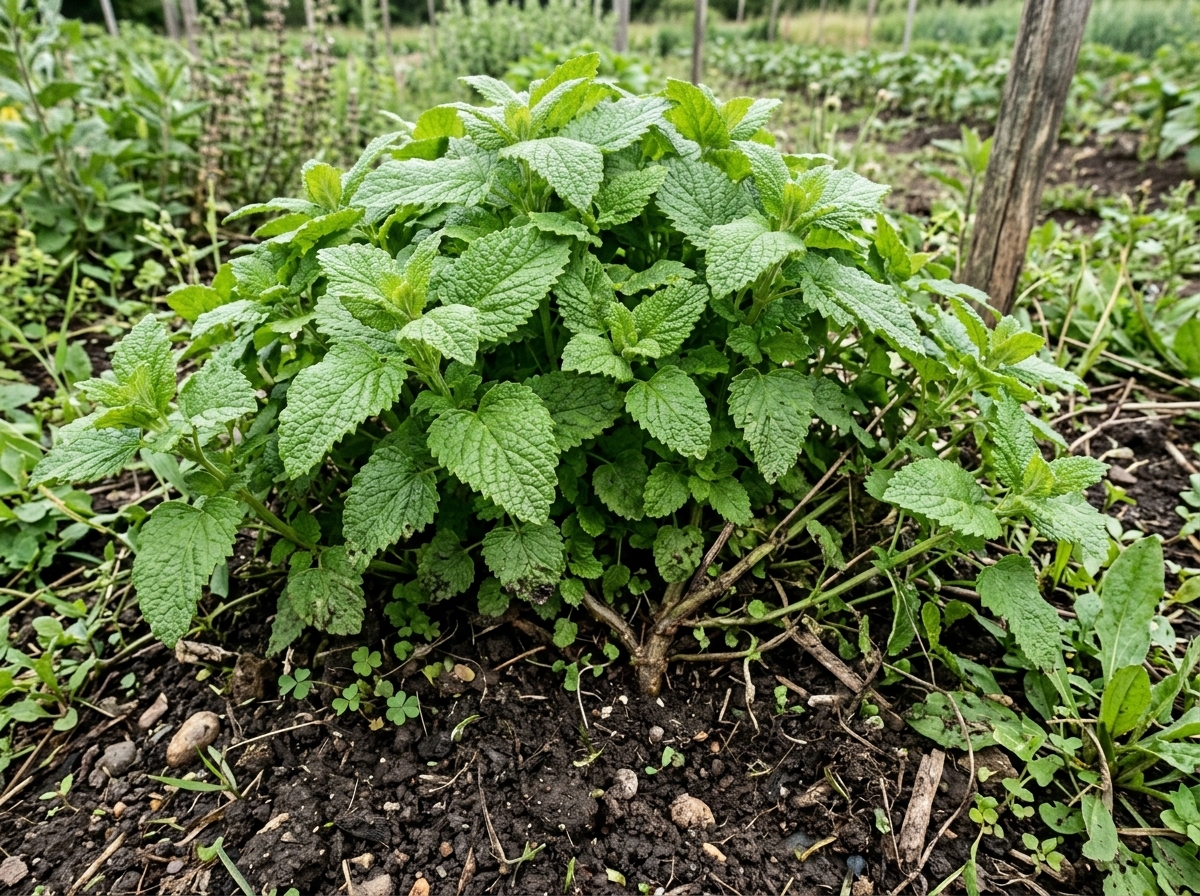
Start with the word itself, because the word is the gate. Melissa is the Greek word for honey bee, and the ancients named this plant for its best customer. Walk past a stand of lemon balm on a summer afternoon and you'll see the name at work: the flowers hum, all season long, because this plant is generous with nectar and it blooms for months. The bees found it first and never left.
And the old beekeepers put that to work on purpose. Pliny the Elder recorded the trick in the first century: rub the walls of the hive with lemon balm leaves, and the swarm stays content and home. The fragrance the plant wears is the fragrance the bees answer to, so the plant named for the bee became the beekeeper's tool. A garden herb with a job description, and the job is written into its name.
But get this: the name goes back further than the gardens. In the old Greek stories, the Melissai were the nymphs who kept the bees, priestesses of the hive who fed the infant Zeus on honey. Melissa is the nymph's title, the bee-maiden's name, and the plant inherited it. When you plant this herb, you're keeping a name three thousand years old.
And that's the real reason so many herbalists grow it themselves. This is the first herb in many a garden, the cottage staple, because it's generous, easy, pleasant, and it earns its keep: the bees come for it, the kitchen uses it, and the apothecary shelf holds it. A basic herb in the best sense of the word, foundational, the one you plant first and keep forever. Even the gardener-president grew it: Thomas Jefferson kept lemon balm in his beds at Monticello, a president keeping a bee herb in the kitchen garden. Generations of gardeners, same conclusion.
Now, here's the quiet observation that closes the loop. This is a plant that calls the bees and settles the people, and it does both through the same volatile fragrance, the terpenes it wears on the outside. The scent that draws the pollinators in is the chemistry that eases the nervous system down. The garden's socialite and the garden's soother, one and the same leaf.
The bee herb, in a dropper. The name is the resume.
Taken consistently over time.
9. The Evening Wind Down
The evening wind-down. Because the energizer bottles told you plainly, this is not a sunset herb, take it late and you'll meet your own nervous system at midnight. This is the other bottle. The sunset herb finally gets its own piece.
Start with the premise, stated straight. The day gets worked from both ends. The morning cup or the invigorating tonic on the front end, and this grounding, cooling and calming leaf on the back end. Fire in the morning, banked fire at night. Plenty of people run exactly that shelf: the energizer at sunrise, this one after sundown, and the two never argue because they work different shifts.
Now, the evening protocol, and mind the order, because with this bottle the order is the whole trick. First, the complete balanced dinner, with the protein and the fat, the last building blocks of the day. Then, as the evening winds down, the dose itself: one to two droppers under the tongue for fifteen to thirty seconds, or stirred into a little lukewarm water. And here's the piece most people miss, so hear it plain: this is a digestive botanical, so the bedtime dose rides with a little something. A small snack, a bit of juice, a few bites of something real. Not a feast. Just fuel for the night shift. The body does its recovery work overnight, and recovery runs on building blocks. The calm arrives with fuel behind it. That's the protocol.
And a practical tip worth the whole piece: the classic move is the evening cup. Make a nighttime tea, let it cool toward lukewarm, then stir the drops in. Never boiling water, because hot water catabolizes the fragile volatile compounds, and the volatile terpenes are exactly where the calm lives. Cool the cup first, then the dropper. Bingo.
Now, what it actually feels like, because the word calming gets misused. This is not sedation. This is not being put under. The volatile terpenes work with the nervous system to ease tension and facilitate natural recovery, so the shoulders drop an inch, the mind stops rehearsing the day, and restorative sleep arrives on its own schedule instead of being forced. Relaxed alertness first, then the natural transition. You can take it at eight with a book in your lap and still read the book. The sleep comes when it comes, and it comes easier.
And the morning after is the payoff, because that's the arithmetic nobody prices in. Restorative sleep is where the recovery happens, the natural regenerative processes doing the overnight work, and those processes rely on complete balanced meals for the essential vitamins and minerals. Sleep well, and the morning starts funded. The evening wind-down is really a morning investment, twelve hours early.
The sunset herb, with fuel on it.
Taken consistently over time.
Commit to the Practice
Tonic herbalism rewards consistency. The deep, systemic building work happens quietly over a 30 to 90-day cycle of continuous saturation. Supply the raw materials your body needs with our premium formulation.
Shop the Formulation