
Discover the honest truth about Schisandra—the classical five-flavor adaptogen prized for thousands of years. Whether you are looking to support a balanced stress response, maintain cellular health, or steady your cognitive focus, the secret lies in the unique chemistry of this northern berry. This guide strips away the marketing hype to teach you exactly what schisandra is, what it does, and how to properly use it for deep, systemic vitality.

I recorded these audios to directly answer the questions I've received most over the last 26 years. The text below contains the actual transcripts.
Jason J. DukeOwner / Artisan
Reference Directory
Commit to the Practice
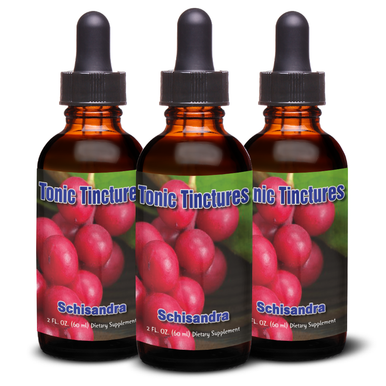
Tonic herbalism rewards consistency. The deep, systemic building work happens quietly over a 30 to 90-day cycle of continuous saturation. Supply the raw materials your body needs with our premium 3-pack.
Shop the 3-Pack Formulation1. What is Schisandra?
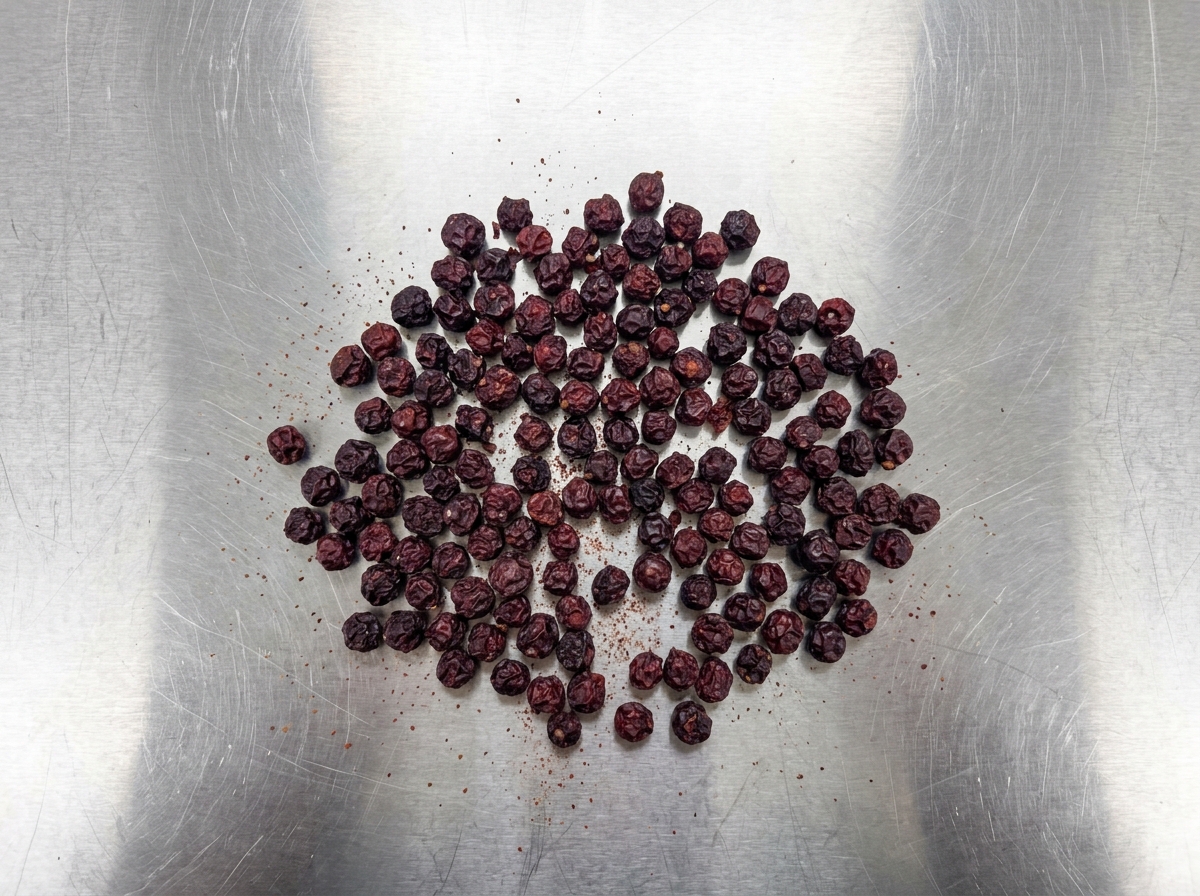
So, what is schisandra, exactly? Most people meet this berry as a word on an adaptogen list, parked somewhere between the ginsengs and the mushrooms, and never meet the plant itself. Big mistake. Because behind that word stands a woody vine from the cold northern forests, a berry that ripens red in hanging clusters like tiny lanterns, and the one plant the old Chinese pharmacopoeia counted as carrying all five flavors at once.
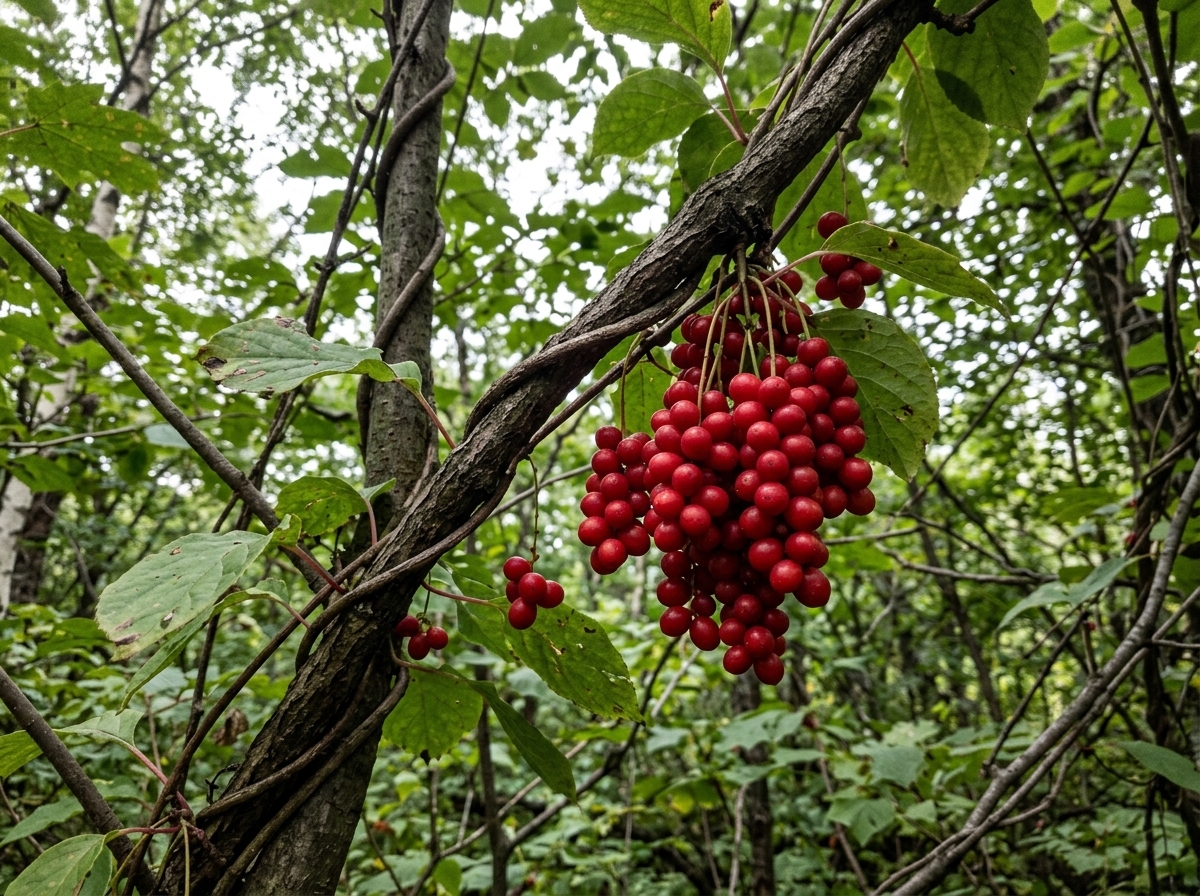
Start with the plant, because the plant is a surprise. Schisandra is not a bush and not a tree. It's a climbing vine, a liana of the northern woodlands, scrambling up through the maples toward whatever light it can reach, and the berries hang from it in strings, deep red, holding their fruit up in the air like offerings. The vine in the wild, on the page, is the honest picture.
And the name carries the whole thesis. The Chinese name is wu wei zi, and it translates as five flavor fruit: wu for five, wei for flavor, zi for fruit. The name is the chemistry report. The Latin genus got wrapped around the plant centuries later, but the working name, the true name, is the one that tells you what's inside the berry.
Classification before benefits, always. Schisandra is an adaptogenic herb and a superior tonic. And superior is a technical term worth defining, because it comes straight from the old ranking. The Divine Farmer's Classic, the oldest surviving Chinese materia medica, sorted the herbs into classes, and the superior class was the one for daily, long-term use, the herbs you could keep taking, season after season. Schisandra sits in that class, and the page's own phrase, superior tonics, is the echo of that ranking, two thousand years later.
Now, the flavor, and let's get the surprise out in the open, because you're going to taste it. You might expect a berry to arrive sweet. Not this one. Schisandra leads sour. A real extract of this berry makes your mouth pucker, and the pucker is the point. In the classical map, sour is the gathering flavor, the astringent one, the flavor that holds and contains. That's the berry's temperament, and it runs through everything this herb does. The full five flavors earn their own piece in this series, and it's the best one.
And two more threads worth naming up front, because they're the heart of the matter. Schisandra is a Shen herb. Shen is the Chinese word for the spirit, and the old medicine houses it in the heart. This berry's classical job is to quiet the heart and steady the spirit, and that story earns its own piece. And it's the harmonizer, the bottle that makes everything else on your shelf work better. That one earns its own piece too.
Not a sedative. Not a stimulant. The balance berry, in a dropper.
The practice is what makes it work. Benefits accumulate over time.
2. Where Does It Come From?
Where does schisandra come from? Short answer: organically grown schisandra berry, one hundred percent, nothing else in the bottle but the liquid. Real answer: a vine the old pharmacopoeia ranked among the superiors, a berry that only grows in company, and a craft that handles it gently on purpose.
The facts first, straight. One hundred percent schisandra berry, Schisandra chinensis, organic. Structured distilled water and triple filtered USP grade organic alcohol at eighteen percent by volume. Extraction ratio of three quarters of a pound of berry to one quart of liquid, about twenty thousand milligrams extracted into every two-ounce bottle.
Now notice that number, because it's the quiet marker. Eighteen percent is the gentlest solvent in this whole series. A berry is delicate material, the softest flesh on the shelf, and schisandra wants a soft hand. The percentage is the craft answering the material, the same way a heavy root demands a heavier pull. Nothing here is standardized by accident.
Then the vine itself, because the vine has a social life worth knowing. Schisandra is dioecious, which means some vines carry the male flowers and some carry the female, and only the female vines set fruit. A schisandra crop literally depends on neighbors standing close enough to matter. The berry that gathers and holds is a berry that only exists in company. The herb is what it does, right down to the botany.
And the heritage, told as settled history. The Divine Farmer's Classic ranked the materia medica in three classes: the superior herbs for daily long-term use, the middle herbs for occasional help, the inferior herbs for short, sharp work. Schisandra holds a seat in the superior class, on the same shelf as ginseng and goji and reishi, the greats of the tradition. That's the company the berry keeps, and it's the company the customer reviews keep naming, even now.
And the vine's home country is cold country. The great rivers of the far east, the northern forests of Manchuria and the Amur basin, Korea and the mountains of China, a plant that climbs through hard winters and ripens its fruit in the short northern summer. The berry carries its homeland's temperament: patient, hardy, and generous in a narrow window.
Then the extraction, built to respect the material. Custom crafted, multi-step, micro-batched, with the water and the alcohol each pulling their class of constituents, gentle chemistry for a gentle berry, holding everything in fluid suspension for maximum absorption. Rapid, high bioavailability, and the full extraction and lab methods are published on our standards page, if you want to see exactly how the work gets done.
A superior-class berry, handled soft. That's where it comes from.
Taken consistently over time.
3. What Does It Actually Do?
What does schisandra actually do in your body? Let me skip the list and give you one picture, because the picture is the mechanism.
A chord. Five notes, struck at once. In the classical map, the five flavors run to five organ systems: sour enters the liver, bitter enters the heart, sweet enters the spleen, pungent enters the lungs, salty enters the kidneys. Most herbs sound one note, maybe two. This berry sounds five, and the old pharmacopoeia counts it as the one herb that does. The chord is the mechanism. And the rule underneath never moves: the berry supplies the raw materials. Your body does the playing.
Start with the sour note, the liver, the flavor this berry leads with. The schisandrins and the lignans work within the natural elimination pathways, the liver and kidneys, promoting healthy bile production and flow, metabolizing cellular waste, maintaining tissue cleanliness. The gathering flavor, gathering what needs to move and moving it. That's the classical temperament and the modern mechanism, agreeing with each other.
Then the bitter note, the heart. The bioflavonoids and lignans nourish the cardiovascular system, maintaining the integrity and flexibility of your blood vessels, circulating blood, delivering oxygen and nutrients to every cell. And in the old map, bitter is the heart's own flavor, the entry lane for the work this berry is most famous for, which is steadying the spirit. That story earns its own piece in this series.
Then the sweet note, the spleen, which in the old map means digestion and nourishment. The semi-soluble polysaccharides support the production and activity of your digestive enzymes, so the body breaks down food and assimilates essential nourishment for sustained energy metabolism. The meal gets used, not parked.
Then the pungent note, the lungs. The same polysaccharides fortify the respiratory system and the lung tissues, supporting efficient gas exchange and maintaining clear and open airways. That's why this berry rides with travelers and climbers, the thin-air crowd.
Then the salty note, the kidneys, the deep of the body, the seat of the reserves. The elimination pathways run through here too, and the deep systems get the same nourishment the surface ones do.
And over the whole chord, the adaptogen's work. The schisandrins work with the neuroendocrine system, the network of glands, supplying raw materials for hormones to the adrenal glands, so the body maintains a balanced stress response and adapts to various challenges. They also support healthy blood flow to the brain, maintaining communication between nerve cells, so you process information effectively and hold cognitive focus.
The guards ride along in the same dropper: the rich profile of bioflavonoids and botanical pigments supplies potent antioxidants that neutralize free radicals, supporting cellular health and longevity.
Five notes, one berry, one dropper. The body plays the chord.
Benefits accumulate over time.
4. Who Is It For?
Who is schisandra actually for? Let me tell you who buys it, because the page serves eight crowds, and six of them belong right here. The glovebox, the laptop bag, the vanity, and the trail. The people whose day has to stay composed while it stays busy.
The high-stress equilibrium crowd, first. Chaotic days, dealing with people, the schedule coming at you in waves. The schisandrins supply raw materials for hormones to the adrenal glands, letting the neuroendocrine system maintain a balanced stress response and fortify against the effects of stress. The bottle rides in the glovebox, exactly where the page puts it, close at hand for the day that keeps coming.
The business entrepreneur. Long days, handling problems, decision fatigue setting in by the afternoon. The schisandrins maintain healthy blood flow to the brain, supporting communication between nerve cells, so you process information effectively and hold cognitive focus while the judgment still matters. The bottle lives in the laptop bag.
The beauty crowd. Skin upkeep, waking up looking fresh. This formulation promotes the natural elimination pathways, the liver and kidneys, to metabolize cellular waste, while potent antioxidants neutralize free radicals, maintaining cellular health and a vibrant appearance. The bottle stands on the bathroom vanity, right where the page puts it, because the face is the bulletin board of the internal environment.
The high altitude crowd. Adjusting to elevation, breathing thin air, the lungs working overtime in country they weren't born to. The semi-soluble polysaccharides fortify the respiratory system and lung tissues, supporting efficient gas exchange and clear and open airways. The bottle rides in the top pocket of the pack, wherever the trail goes up.
The sage. Aging well, staying sharp, playing the long game. These unique constituents provide vital nourishment to the internal environment, building up health and promoting cellular health and longevity over time. The bottle sits on the bookshelf, next to the reading lamp.
And the tonic herbalist. Brewing the daily teas, running the full program. The broad spectrum of phytonutrients provides a foundational regimen, working synergistically to assimilate key nutrients and support systemic balance. This one stands front row of the apothecary shelf, and the reason it belongs there earns its own piece in this series.
Notice the common thread, because it's the whole thesis. Every one of these buyers is purchasing the same thing: composure with output. The busy day handled, the decisions held, the face rested, the breathing easy, the years met steadily, the program running whole. Five notes, one berry, every buyer.
Now the honest positioning, because it matters with this one. Schisandra is the middle of the tonic shelf, and that's a compliment. It's not the fire bottle and not the sleep bottle. It's the balance bottle, the one that steadies whatever else is running, which is also why it pairs with nearly everything. Two of the page's eight cards run so deep they earn their own pieces: the meditation crowd, and the lovers. Both are coming.
Right berry, right temperament, right shelf.
Taken consistently over time.
5. How Do You Take It?
Tonic Synergy & Timing: We remind you that with consistent use, benefits accumulate over time.
For rapid mucosal assimilation, we recommend taking it on an empty stomach (up to 30 mins before eating). Because schisandra works synergistically with your digestion, it must be followed by a complete balanced meal (proteins and fats) to provide the building blocks your body requires.
This is schisandra liquid extract, the adaptogenic superior tonic in a two-ounce bottle with sixty dropper servings.
One dropper is one press of the rubber bulb, which fills the dropper tube to just above half way. That's thirty drops, which is also one milliliter.
To find a functional dose, start with a minimum dose of ten drops to one dropper and work up. We suggest ten drops to one to three droppers, taken one to three times per day, which is one hundred eleven to nine hundred ninety-nine milligrams daily.
Now, the bottle has two jobs, and it's worth knowing both. For immediate impact, hold one to two droppers under the tongue, sublingually, for fifteen to thirty seconds. Longer isn't necessary. For tonic building, to continually saturate your system and build deep, long-term health, take one to two droppers with meals, or up to two to three droppers with your largest meal.
Shake gently. Secure the lid and turn the bottle over back and forth three to five times to evenly distribute the liquid extract. Vigorous shaking oxidizes the constituents, so don't do that.
By mouth: hold the liquid under the tongue for sixty to ninety seconds before swallowing, or mix the drops into two to four ounces of drinking water. Never boiling water. Hot water damages the delicate constituents, and a berry this gentle carries a full set of them.
Timing, and with this bottle the sequence is the whole trick. Take it on an empty stomach, up to thirty minutes before eating, for rapid mucosal assimilation, followed by a complete balanced meal to provide the building blocks, the proteins and fats. The page says it plainly: prior to meals, to support nutrient absorption. The digestion gears up first, then the meal walks in and gets received properly. Prime, then eat.
And taste, because this bottle's taste is a landmark. Expect the pucker. Sour arrives first, and it arrives honestly. Then, behind it, the other four flavors, one after another. That's not a defect, that's the five flavor fruit doing exactly what its name says, and the taste test earns its own piece in this series. The more you taste the stronger it is.
Storage is easy: an opened bottle holds about thirty to forty-five days. Unopened, about two years from the batch date. Keep it dark and cool.
If it didn't sit right, try again at a lower dosage and with a complete meal. Finding your dose isn't failure, it's calibration.
Some effects are immediate within the first few days. Consistency at a functional dose is what builds the rest.
6. How Long Until You Notice Results?
How long until you notice something from schisandra? Most-asked question about any tonic, so here's the straight answer, in three windows.
Some effects are immediate within the first few days, one to three days. That's the felt layer: the steady composure, the balanced state, the busy hour that doesn't rattle you the way it used to. Adaptogens give fast feedback in the calm-register, because balance is something you feel before you can name it.
Other effects and benefits are building, and become noticeable within one to two weeks. The deeper digestion and assimilation, the clearer mornings, the face showing the cleanup underneath, the focus that holds through the afternoon. The deeper work doesn't announce itself. It stacks up underneath, quietly, while you go about your life.
Then the long game. The systemic shifts and deep benefits happen as you continuously saturate your body over a thirty to ninety day cycle. That's a good tonic cycle, thirty to ninety days, and this page says it plain: a six bottle protocol unlocks the deepest systemic shifts. That's not a sales line. That's just how tonics work. A tonic is a practice, not an event.
And you gotta take enough to make it work. The page says it straight out: the more you take, the better it works. Not enough doesn't work. Someone can only take so much of anything at any one time, so enough is the target, and consistency is the vehicle that gets you there.
Nothing is a quick fix. Anyone selling a quick fix in a bottle is selling snake oil. Tonics reward time, not dosage.
And keep the foundation under all of it: complete balanced meals, every time, with your protein and your fat. Skipping meals and eating incomplete meals will lead to ineffective results. The berry rides on food. It doesn't replace it.
Benefits accumulate over time.
7. Safety and Quality
Is schisandra safe, and how do you know you're getting a quality bottle? With this berry, those are the same question, and the answer isn't a promise printed on a label. It's the honesty of the formulation, the sourcing, and the craft.
Start with the markers that matter, stated straight. Species named: Schisandra chinensis, one hundred percent schisandra berry, organic, nothing else in the bottle but the liquid. Craft named: custom crafted, multi-step, micro-batched, extracted with structured distilled water and triple filtered USP grade organic alcohol at eighteen percent by volume, the gentlest solvent in this series, because a berry is delicate material and the craft answers the material. Ratio stated: three quarters of a pound of berry to one quart of liquid, about twenty thousand milligrams extracted into every two-ounce bottle. Rapid, high bioavailability, and the full extraction and lab methods are published on our standards page, if you want to see exactly how the work gets done. Nothing hidden, nothing dressed up.
And your own tongue is the lab, and with this bottle the lab has five stations. A real schisandra extract makes your mouth pucker first, the sour arriving honest and strong, and then the other flavors file in behind it, one after another. The reviews say it in the customers' own words: a taste that makes the mouth pucker, a warm feeling deep in the core, rich and full bodied. That's the five flavor fruit doing what its name says. The more you taste the stronger it is. A thin, mild, nothing-tasting schisandra tincture is the defect, and it tastes like exactly what it is: mostly nothing.
Now, honest use, plain and simple. These botanicals are food added to the diet, suitable for daily use, and generally this formulation may be taken with other dietary supplements. In fact that's part of the design, and the page says it carefully: introduce one formulation at a time, so you can listen to your body and observe the long-term building benefits. The harmonizer story earns its own piece in this series, and it's the best one.
One piece of doctrine to keep the whole thing straight. Herbs are always more effective and more powerful in the long-term for supporting health, whereas drugs are always more effective and more powerful in the short-term for treating diseases, conditions, and any emergencies. Do not use an herb when one should use a drug, and do not use a drug when one should use an herb. Each has its own job, and this bottle's job is the long game: balance, cleanliness, and the steady spirit.
And the price. You shouldn't pay mystique prices for schisandra, because this is an organically farmed berry with real markets behind it, a crop the northern world has traded for centuries, not a rare treasure. The power was never in the rarity. It's in the five flavors.
Be the Best and Buy the Best.
It is important to do your own research. Health is the most valuable asset of one's life and the most valuable investment.
8. The Five Flavors
The five flavors. Because schisandra isn't named for a mountain or a man or a myth. It's named for its own chemistry, and the name is the door to everything this berry does. Wu wei zi, five flavor fruit. Let's walk all five, because the walk is the whole point.
First, why flavors matter at all. A flavor is a chemistry. Every taste your tongue registers is a class of molecules the plant built, and the old herbalists read flavors the way a formulator reads an assay: sour meant one set of compounds, bitter meant another, and each flavor had its lane in the body. The classical map runs like this: sour enters the liver, bitter enters the heart, sweet enters the spleen, pungent enters the lungs, salty enters the kidneys. Five flavors, five organ systems, five lanes.
Now, most plants pick a lane. One flavor, maybe two. And here's the claim that made this berry famous across two thousand years: the old pharmacopoeia counts schisandra as the one herb that carries all five at once. That's not a marketing line. That's the classical description, and it's why the berry earned its seat in the superior class.
Walk them, one at a time. Sour leads, and sour is the astringent, the flavor that gathers and holds and contains. That's the pucker, and the pucker is the signature. Bitter follows, and bitter is the heart's lane, the deep, clearing flavor, the one the Shen work runs on. Sweet arrives quietly in the middle, the nourishing flavor, the spleen and digestion's lane. Salty shows as a whisper at the edges, the kidney's lane, the deep reserve. And pungent finishes warm at the back of the throat, the moving, dispersing flavor, the lungs' lane. If you've held this extract under your tongue, you've already met them in that order.
And why does this matter for what the berry does for you? Because a plant that builds five flavor chemistries is a plant with a wide bench. The page says it in the modern register: a broad spectrum of phytonutrients, working synergistically to nourish multiple systems, organs, glands, and tissues. The old map and the new label are the same sentence, two thousand years apart. The five flavors are the why behind the broad spectrum, and the broad spectrum is the why behind a berry that touches the stress response, the liver, the lungs, the vessels, and the digestion all at once.
And here's the taste test, the part that makes you the chemist. Hold a dropper under your tongue for sixty to ninety seconds and hunt each flavor deliberately. Sour arrives first and loudest. Bitter comes up behind it. Sweet hides in the middle. Salty whispers. Pungent warms the throat on the swallow. Our own customers describe it exactly that way, a taste that puckers the mouth and a warm feeling deep in the core. If you can find all five in one dropper, you're tasting the real berry. If you find mostly nothing, you're tasting mostly nothing.
Five flavors, five lanes, one berry. That's the name, and the name is the resume.
Taken consistently over time.
9. The Shen Herb
The Shen herb. Because schisandra's deepest job doesn't run on muscles or glands. It runs on the heart, and this piece is where that story lives.
Start with the word, because the word is the map. In the classical tradition, the human being runs on three treasures: Jing, the essence, the deep reserve you're born with and spend carefully; Qi, the energy, the daily work and warmth; and Shen, the spirit, the treasure the old medicine houses in the heart. Shen is the sparkle in the eyes, the presence in a face, the alert warmth that shows up before anyone says a word. When the Chinese doctor looks at your Shen, that's what he's reading.
Now, the classical job of this berry, stated plain: schisandra quiets the heart and calms the spirit. That's the old function, and it's the reason this is a Shen herb. The heart, in that map, is not just a pump. It's the emperor's seat, the organ the spirit sleeps above, and a restless heart makes a restless everything else. The berry's temperament fits the assignment: the sour flavor that gathers and holds, applied to a spirit that scatters, gathering it back in.
And here's the honest part, because calm is the most misused word on the shelf. This is not sedation. The page's meditation card says it precisely: this formulation grounds the bodily systems by easing tension, allowing for a state of relaxed alertness and inner harmony. Relaxed alertness, both words, holding hands. You can take it at eight with a book in your lap and still read the book. You can sit a meditation and stay awake inside it. The nervous system isn't switched off. It's settled. That's the Shen herb's signature: presence without agitation.
And the old map has a modern echo, because clear thinking is a spirit function, not just a brain function. The schisandrins support healthy blood flow to the brain, maintaining communication between nerve cells, so you process information effectively and hold cognitive focus. When the Shen is steady, thinking gets quiet and clean, the mind stops rehearsing the day, and the attention actually arrives where you point it. The meditation cushion and the work desk are the same request in two rooms, and this berry serves both.
So where does the bottle live? For the evening sit, the coffee table. For the reader, the bookshelf next to the reading lamp. Wherever you go to be still on purpose, the dropper is within reach, and the stillness is your own. The berry steadies the platform. You do the sitting.
The heart's herb, the spirit's steadiness, in a dropper.
Taken consistently over time.
10. The Harmonizer
The harmonizer. Because there's a question the tonic shelf never asks out loud, and schisandra is the answer to it: if you're already taking ginseng, goji, reishi, the greats, why does this berry belong in the program at all? Here's the thesis, stated straight: schisandra is the bottle that makes everything else work better.
Start with the mechanism, because the claim isn't hand-waving. This berry runs five lanes at once: the stress response through the adrenal glands, the liver and kidneys through the elimination pathways, the lungs, the vessels, the digestion. Whichever bottle you take next, its work runs down at least one of those lanes. The adaptogen lane, the cleanup lane, the assimilation lane. Schisandra sweeps the lanes before the rest of the program drives down them. The page says it in its own words: the broad spectrum of phytonutrients provides a foundational regimen, working synergistically to assimilate key nutrients and support systemic balance. Foundational is the exact right word. This is the layer underneath the rest of the shelf.
And the sour flavor is the mechanism's mascot. Sour gathers and holds. An astringent berry, taken alongside the rest of a program, is the herb that keeps the program's gains from leaking out the sides. It holds what the other herbs generate. That's not my poetry. That's the classical job description.
Here's the proof from the old formulary. The most famous classical formula of this tradition's heart canon pairs ginseng, ophiopogon, and schisandra, and the trio's division of labor is the whole lesson: ginseng generates, ophiopogon moistens, and schisandra gathers and holds what the other two produce. The formula is built around the berry's temperament. When the old masters wanted a combination to stick, they reached for the five flavor fruit as the anchor. Two thousand years later, the shelf still works that way.
And our own customers say it without knowing the classics. One of them put it in six words: it makes everything else work better. He mixes his droppers together in a glass of water and names his companions, goji and reishi, for chilling out. Superior-class berries, traveling together, exactly like the old shelf. The harmonizer earns its place by making the neighbors earn theirs.
Now the practical piece, and the page is careful here, so I'll be careful too. Yes, you can combine this formulation with other superior tonics; these are food added to the diet. But introduce one formulation at a time, so you can clearly listen to your body and observe the long-term building benefits. One bottle at a time onto the stage, and let each one announce itself before the next walks on. That's not caution for its own sake. That's how you learn what each herb is actually doing for you.
So the bottle's home: front row of the apothecary shelf, the first one poured in the glass, the one the rest of the program rides on.
The work is theirs. The harmony is yours. The berry holds it together.
Taken consistently over time.
11. The Original Adaptogen
The original adaptogen. Because there's a story behind the most overused word on the supplement shelf, and schisandra is standing at the beginning of it. Let me tell it as history, because it's good history.
The word adaptogen was coined in the middle of the last century, in Russia, by a scientist named Lazarev, and his student Brekhman built the research program that made the concept famous. Their question was practical: what materials help the body adapt to various challenges, resist fatigue, and hold its output under load? And here's the part the shelf forgot: the first materials that program studied were the northern berries and roots of the far east, and schisandra was among the originals. The word every bottle now borrows was born in a lab that was busy studying this berry. The adaptogen lists you see today are descendants of the research that started with five flavor fruit on the workbench.
And what did those mid-century studies chase? Work capacity, stamina, steady output under stress, the state of the body between rested and wrecked. I'll tell it as history, not as a promise: the Russian program ran for decades, and schisandra's reputation for hard work under hard conditions entered the modern record there. The berry the labs studied is the berry in this bottle, same species, same five flavors.
But the labs were late to the party, and that's the better half of the story. Long before any scientist wrote the word, the peoples of the Amur river country were using the berry on their longest days. The Nanai hunters, and the river peoples generally, carried schisandra on the long hunts: for the thirst, for the fatigue, and, by their own account, for the eyes in the dark. That last claim is the hunters', and I'll leave it theirs, the folk record of a people who lived by what worked. When a river people carries a berry into the forest for centuries, that's data. Different kind of lab, same question: what keeps a human going?
Even the Russian name carries the intimacy of long acquaintance. They call the vine limonnik, the lemon vine, because you scratch the bark and the air turns lemon. A plant gets a folk nickname like that only after generations of hands have handled it.
And the oldest record of all stands behind everything: the Divine Farmer's Classic had already ranked this berry in the superior class, the daily, long-term herbs, centuries before the hunters told the Russians and the Russians told the scientists. Three traditions, three vocabularies, one berry, one job: keep the body steady under load, for the long haul.
The word is decades old. The berry is ancient. Buy the berry, not the buzzword.
Taken consistently over time.
12. The Lover's Berry
The lovers berry. Because the nightstand drawer is one of this page's own placements, and the card deserves its five minutes. Schisandra belongs by the bed, and the reasons run deeper than stamina.
Start with the modern mechanism, stated straight. The constituent synergy nourishes the endocrine system, the network of glands, providing the essential nourishment that supports stamina and the energy-producing processes necessary for human sexuality. Supply, not command. The glands are fed, and the body does what a fed body does. That's the page's own physics, and it's the same logic every endocrine tonic runs on: raw materials in, the body builds with them.
Now the classical layer, because this berry's bedroom reputation is old. In the five flavor map, salty is the kidney's lane, and the kidneys, in the old medicine, are the storehouse of Jing, the essence, the deep reserve. The classical story of schisandra in this territory is the story of holding: this is the berry that gathers and contains, and the old doctors prized it for holding essence, keeping the deep reserves from leaking away. The astringent berry, applied to the deepest reserve in the body. The sour flavor and the salty lane, working the same territory from two directions. East and west meet at the same door: the capacity is a built thing, and built things need their materials kept.
And lovers know what the Shen herb knows, because intimacy is a presence function before it's an energy function. The capacity to connect runs on the steadiness you bring into the room: the quiet heart, the settled nerves, the attention that actually arrives. That's why the nightstand bottle is the Shen herb. The berry that quiets the heart and the berry that feeds the glands are the same berry. Calm enough to be present, nourished enough to have the energy when presence turns physical. Two treasures, one dropper.
Now the doctrine, because no lovers piece on this shelf gets to skip it. The organs are built, not switched on. Hormones are built from raw materials, and the plant is only one of the suppliers. The complete balanced meal brings the proteins and the fats, the heavy building blocks, and the berry works with what the meal delivers. The nightstand program runs on dinner, not droppers alone. Feed the deep reserves, then take the berry that holds them.
So the protocol, plain: one to two droppers under the tongue, held, in the evening wind-down, with the meal underneath and the nightstand bottle within reach of the lamp. Simple. Foundational. In character.
The heart steady, the reserves held, the connection available. That's the lovers berry.
Taken consistently over time.
Commit to the Practice
Tonic herbalism rewards consistency. The deep, systemic building work happens quietly over a 30 to 90-day cycle of continuous saturation. Supply the raw materials your body needs with our premium 3-pack.
Shop the 3-Pack Formulation